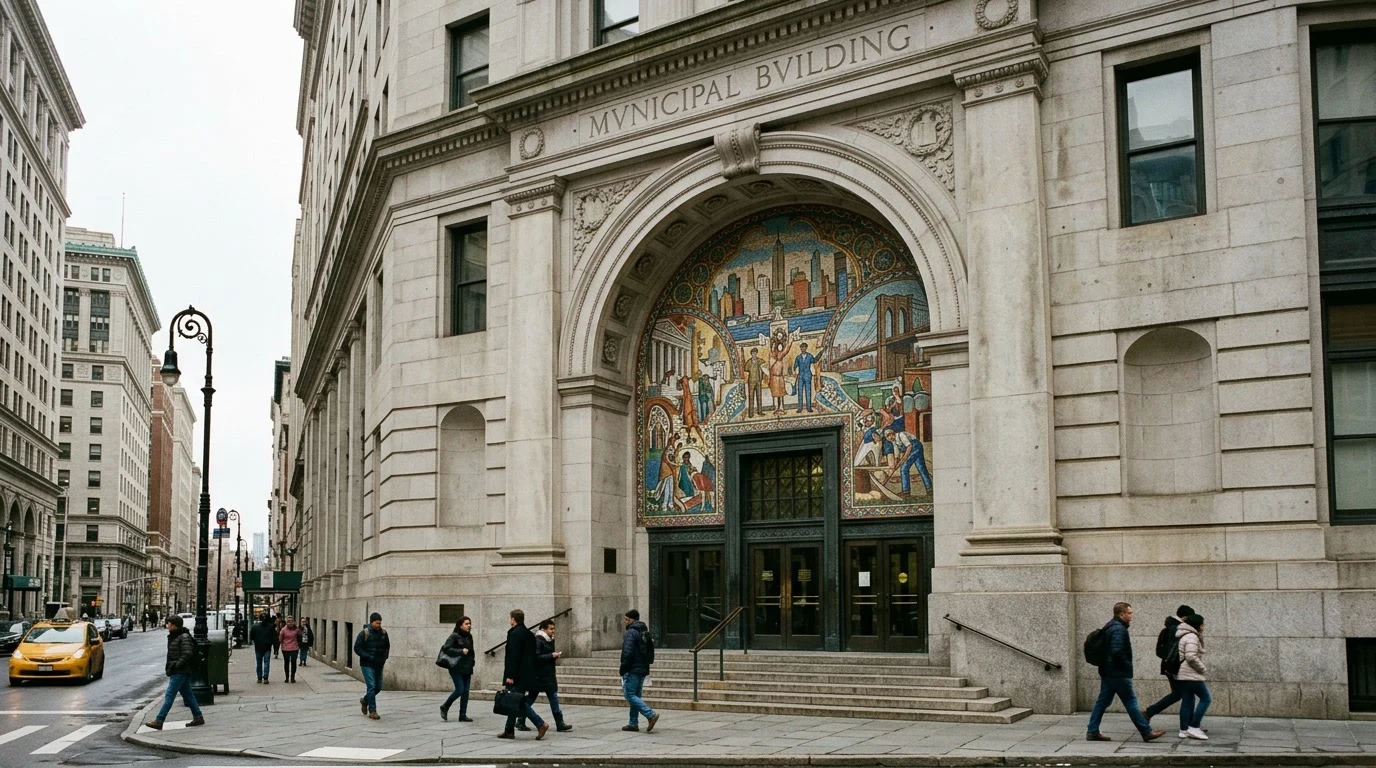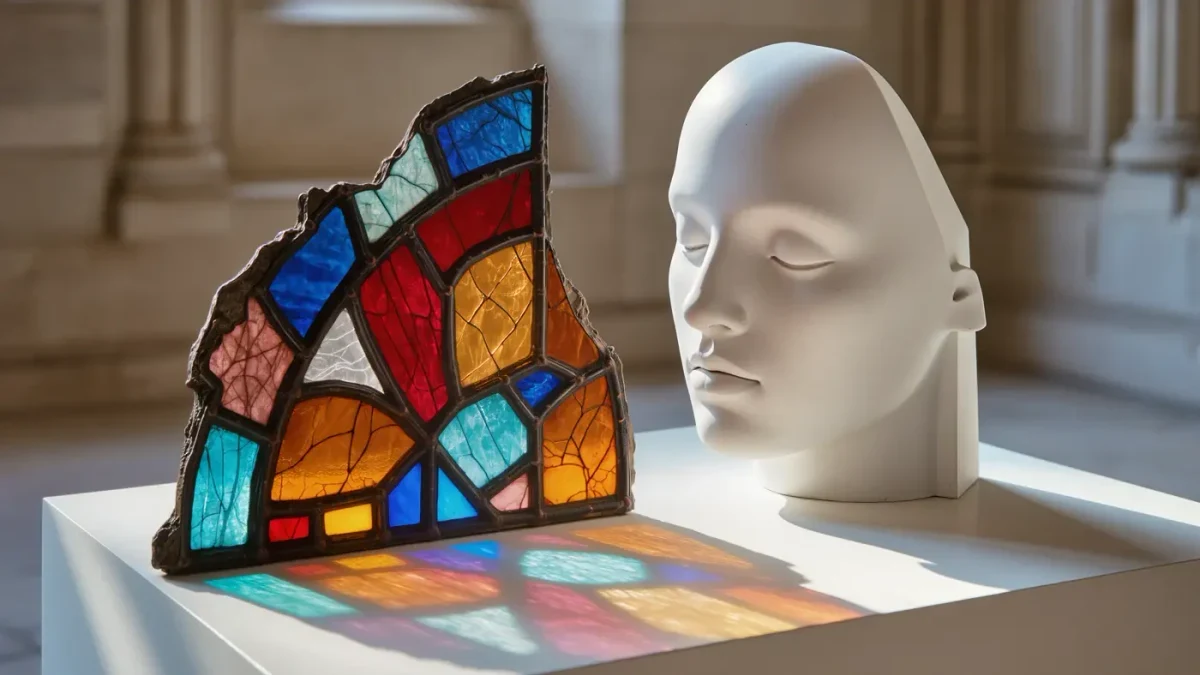
The season's clearest signal about where the art market is heading came from a sculptor who died in 1957. Pace Gallery announced global representation of the Constantin Brancusi Estate on May 18, 2026, bringing the father of modern sculpture's legacy into a commercial gallery framework alongside more than thirty other estates, from Alexander Calder to Mark Rothko.
What does the Brancusi deal actually cover?
Per Pace's own announcement, the gallery's first major Brancusi project will be a London exhibition this fall, curated by Dr. Jérôme Neutres, the independent curator named an Officer of the Order of Arts and Letters by France's culture ministry in 2023. The estate joins a roster of more than thirty artists' estates at Pace, including those of Calder, Jean Dubuffet, Agnes Martin, Louise Nevelson, and Rothko — a list that reads as a deliberate map of twentieth-century sculpture and painting.
The timing was not incidental. As Artlyst reported the following day, the announcement arrived ahead of a Brancusi bronze selling for $107.6 million at Christie's in New York, from the S.I. Newhouse collection — a price that reframed the estate's commercial weight overnight.
Why do galleries compete for estates?
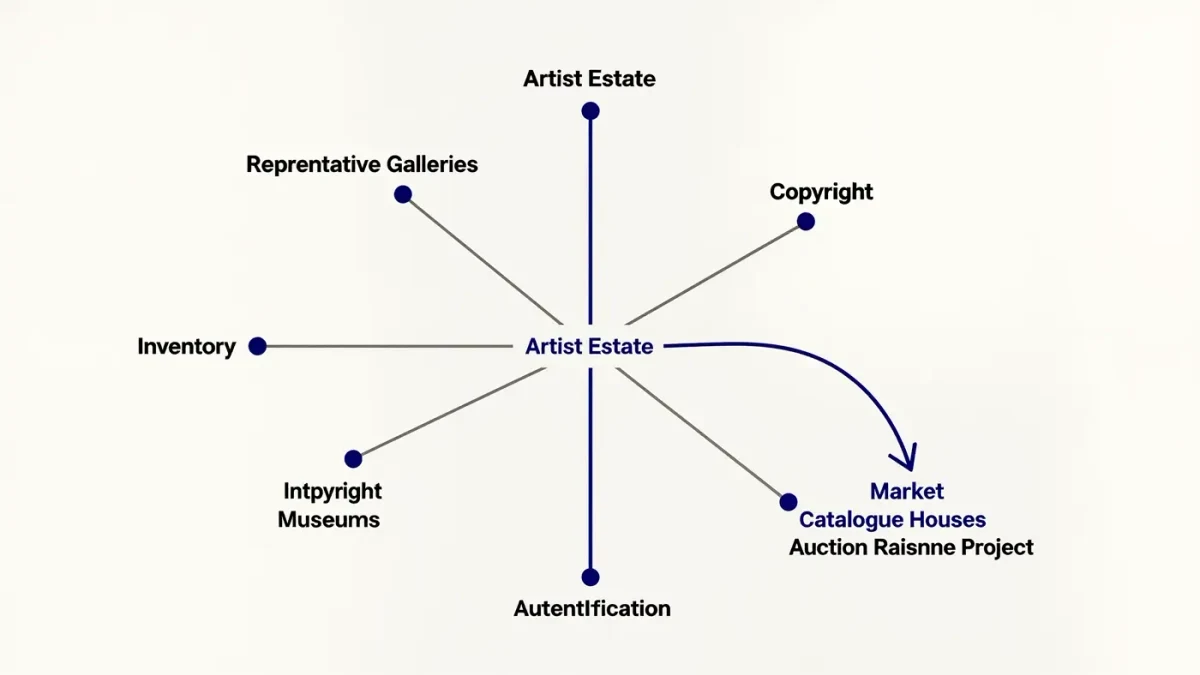
Estate representation is the market's slowest asset and its surest. A living artist can change dealers; an estate, well managed, becomes a permanent exhibition program, authentication authority, and primary-market pipeline in one. Pace's announcement notes that over more than six decades the gallery has honed its expertise in supporting estates and sustaining artists' legacies — institutional language, but it describes a real business: the gallery that holds an estate holds the artist's afterlife.
For estates, the calculus runs the other way. A sculptor's legacy needs exhibitions, scholarship, and careful placement of casts and works on paper, and a global gallery supplies all three at scale. The alternative routes — a single-museum alliance, a family-run foundation, or a fragmented set of local dealers — each struggle to deliver the same reach, which is why the consolidation of major estates into a handful of galleries has become one of the defining structures of the contemporary market.
What is happening with Brancusi right now?
The museum track is as active as the commercial one. Pace's announcement notes that a major survey of Brancusi's work, produced in collaboration with the Centre Pompidou, ran at the Neue Nationalgalerie in Berlin through August 9, 2026 — the kind of institutional exposure that precedes market strength rather than following it.
The documented record around the estate, in short, stacks up like this.
| Event | Date | Documented detail |
|---|---|---|
| Pace announces estate representation | May 18, 2026 | Global representation; first project a London show curated by Jérôme Neutres |
| Christie's, New York | May 2026 | Brancusi bronze from the S.I. Newhouse collection sells for $107.6 million (Artlyst) |
| Neue Nationalgalerie survey | Through August 9, 2026 | Major Berlin exhibition with Centre Pompidou collaboration |
What does an estate deal mean for collectors?
For buyers, estate representation concentrates authority. When one gallery speaks for an artist's estate, questions of which casts, editions, and works on paper carry the estate's blessing have a single address, and exhibition context — London this fall, Berlin through the summer — becomes legible as a proxy for institutional standing. The $107.6 million Christie's result, as Artlyst framed it, makes the estate one of the most consequential relationships in the contemporary market.
The caution is symmetry: an estate-aligned gallery controls the narrative as well as the supply. Collectors weighing six- and seven-figure works from any estate era should lean on independent scholarship, catalogue entries, and condition reports, not gallery materials alone — a discipline that holds whether the artist died in 1957 or last year.
The wider lesson of the Brancusi deal is that the market's center of gravity keeps shifting from the new to the canonical. Young galleries still break artists, but the biggest prizes are now legacies — and the galleries holding them, Pace foremost, have built the institutional machinery to keep them.
How does the Brancusi story fit the wider estate season?
The Brancusi announcement is the loudest entry in a broader pattern rather than an isolated coup. Across the current market, galleries have spent the past several seasons formally adding departed artists' estates to their rosters — the same structural move at every altitude, from blue-chip modernism to regional movements whose scholarship is still being written. Each signing follows the template the Pace announcement documents: global representation, a named exhibition program to come, and an existing roster of estates cited as precedent.
The pattern's driver is scarcity of the most literal kind. There are no new Brancusis; supply is fixed, demand is global, and the institutions that control access — estates and their gallery partners — therefore control the market's most stable inventory. In a period when contemporary pricing has wobbled, that stability is the prize, and the roster Pace published alongside its announcement — Calder, Dubuffet, Martin, Nevelson, Rothko — reads as a portfolio assembled against exactly that logic.
What should a design reader take from estate news?
Estate announcements are exhibition announcements in disguise. Pace's first Brancusi project opens in London this fall under an independent curator; the Berlin survey closed in August; wherever an estate signs, a calendar of loans, catalogues, and monographic shows follows within a season or two. Readers who track these signings are effectively reading museum programs a year early — the estate's gallery partner books the scholarly apparatus before any museum wall text is written.
The second lesson is about patience. Estate-stewarded work reaches the market in controlled doses — curated sales, carefully placed casts and editions, exhibitions that pair historical material with contemporary context. Collectors who chase the headline price often discover that the better purchase arrives two years later, inside an exhibition, with the estate's scholarship attached. In the estate era, the catalogue is as much a part of the acquisition as the crate.