The 2026 art book season is legible because its defining lists are dated and public. Publishers Weekly's spring preview, published 5 December 2025, leads with an enigmatic Dutch master, two queer American visionaries, and Laurie Anderson. By June, Wallpaper* counted a summer shelf led by Thames & Hudson's Ralph Lauren Catwalk. Together they sketch what living rooms will stack.
Which titles anchor the spring 2026 season?
The Publishers Weekly spring preview of art, architecture, and photography documents a season spread across the serious and the surprising. Among its Top 10, The Dog's Gaze: A Visual History by Thomas W. Laqueur arrives from Penguin Press in May, and Michael Murphy's Our World in Ten Buildings from One Signal in April, a book the preview describes through how the built environment can better serve humanity's needs. Murphy, founder of the non-profit design practice behind some of the decade's most documented health buildings, brings an architecture argument to a general list, which is itself a signal.
The list's breadth is the quiet headline. A visual history of the dog's gaze and a built-environment manifesto sharing a Top 10 with photography surveys and queer American retrospectives means the art book has stopped being a genre and become a format, one that carries any subject with a strong visual archive. Publishers Weekly's framing, artists getting their due, is really an argument about archives being opened: the monograph as restitution.
The Laurie Anderson mention in the preview's framing is the season's clearest signal that performance and image are being archived between hard covers at pace. For a design reader, these spring titles matter because they set the reference grammar the fall lists will quote: the visual history, the complete-collection catalogue, the argument-with-pictures. Coffee tables are, among other things, citation machines.
What did summer add to the shelf?
Wallpaper*'s 12 June 2026 roundup of new fashion books for the summer reading list, selected by the magazine's style team, documents the season's leaning into encyclopaedic tomes and brand-made editions. Ralph Lauren Catwalk: The Complete Collections, by Bridget Foley for Thames & Hudson, is described as a lesson in the kind of preppy dressing currently having a comeback. The Antwerp Six, by Kaat Debo, Geert Bruloot, and Romy Cockx for Hannibal Books, is called a perennial resource; the list also carries Acne Paper Issue 21, a Valentino-bound Specula Mundi, and Robin Givhan's Make It Ours from Penguin.
Fashion's entry into the shelf is the connecting tissue between the two lists. What began as spring's monographs and architecture arguments continued as summer's brand-made tomes, and the reader benefits from the continuity: the same large-format production values carry a Laurie Anderson retrospective and a Valentino portfolio without hierarchy. Design publishing in 2026 is one continuous season wearing seasonal clothes.
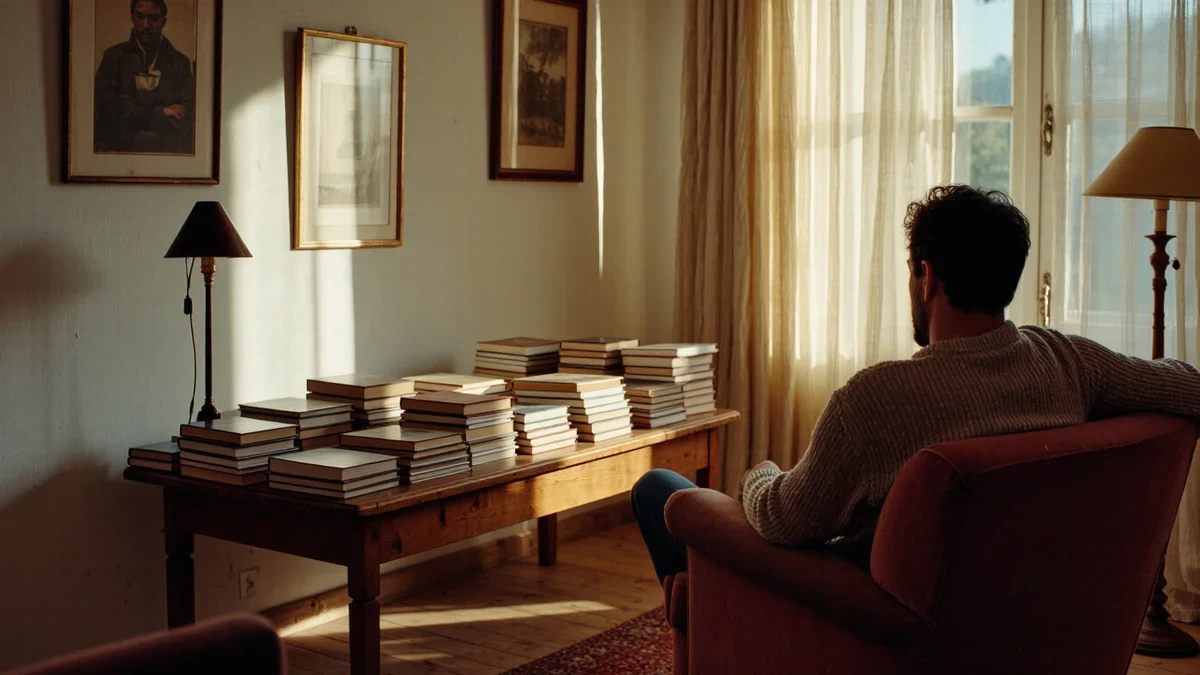
The pattern across both lists is the archive turning into object. Complete catwalk records, facsimile issues, and monographs dominate because publishers have worked out that these books function as furniture as well as reading: large format, dense imagery, spines designed to be seen. The documented shelf, condensed:
| Title | Author / Publisher | Documented framing | When |
|---|---|---|---|
| The Dog's Gaze: A Visual History | Thomas W. Laqueur, Penguin Press | Top 10 spring pick | May 2026 |
| Our World in Ten Buildings | Michael Murphy, One Signal | How the built environment can better serve humanity | April 2026 |
| Ralph Lauren Catwalk: The Complete Collections | Bridget Foley, Thames & Hudson | Preppy dressing currently having a comeback | Summer 2026 |
| The Antwerp Six | Debo, Bruloot, Cockx, Hannibal Books | A perennial resource | Summer 2026 |
Why are design books leaning into catalogues and archives?
Because the format matches how design readers actually use books. A catwalk record or a complete-issues facsimile is browsed, argued over, and left open, which suits the object-led way shelter readers consume imagery. Wallpaper*'s framing, that the line-up will provide plenty of material to while away lazy warm-weather days, is honest about the use case: these are companion volumes to rooms, not coursework.
The economics reward the trend too. A complete-collections volume or a facsimile issue is expensive to pirate and pointless in fragments, which makes it one of the few print formats that retains its full value in a second-hand market; the spring and summer lists are effectively catalogues of future vintage. The design reader who buys one season's documented titles is furnishing a shelf that will read as a period snapshot in a decade, dates and publishers intact.
For readers who buy with intention, the season rewards treating lists as documentation rather than recommendation. The two inventories here come from named editors at named outlets with dates attached, and every title above carries its publisher and framing from those pages. That is the honest way to shop a publishing season: know which list you are holding, who wrote it, and when, and the coffee table arranges itself with a clear conscience.