A first ceramics collection can begin with a spending ceiling and a narrow interest, rather than a promise to find an undervalued treasure. The V&A's ceramics collection offers a useful starting point for looking: its scope runs from early pottery to contemporary work. Museum examples can sharpen questions before money changes hands.
What is worth looking at before buying?
The V&A describes its ceramics collection as global in scope, with holdings from East Asia and the Middle East alongside European pottery and porcelain. That breadth gives a beginner room to choose an interest without treating a single famous maker as the necessary first purchase.
One useful exercise is to choose a form, such as a bowl, and compare museum examples before browsing sale listings. Notice what attracts attention: the shape, the surface or the way decoration sits on the object. This is a suggested way to look, rather than a claim that one collecting category is cheaper than another.
A spending ceiling should be a limit, not a target. Nothing in the museum material cited here establishes a current market price or predicts what a piece will be worth later. This guide doesn't rank sellers or promise investment returns.
What can a maker's mark really settle?
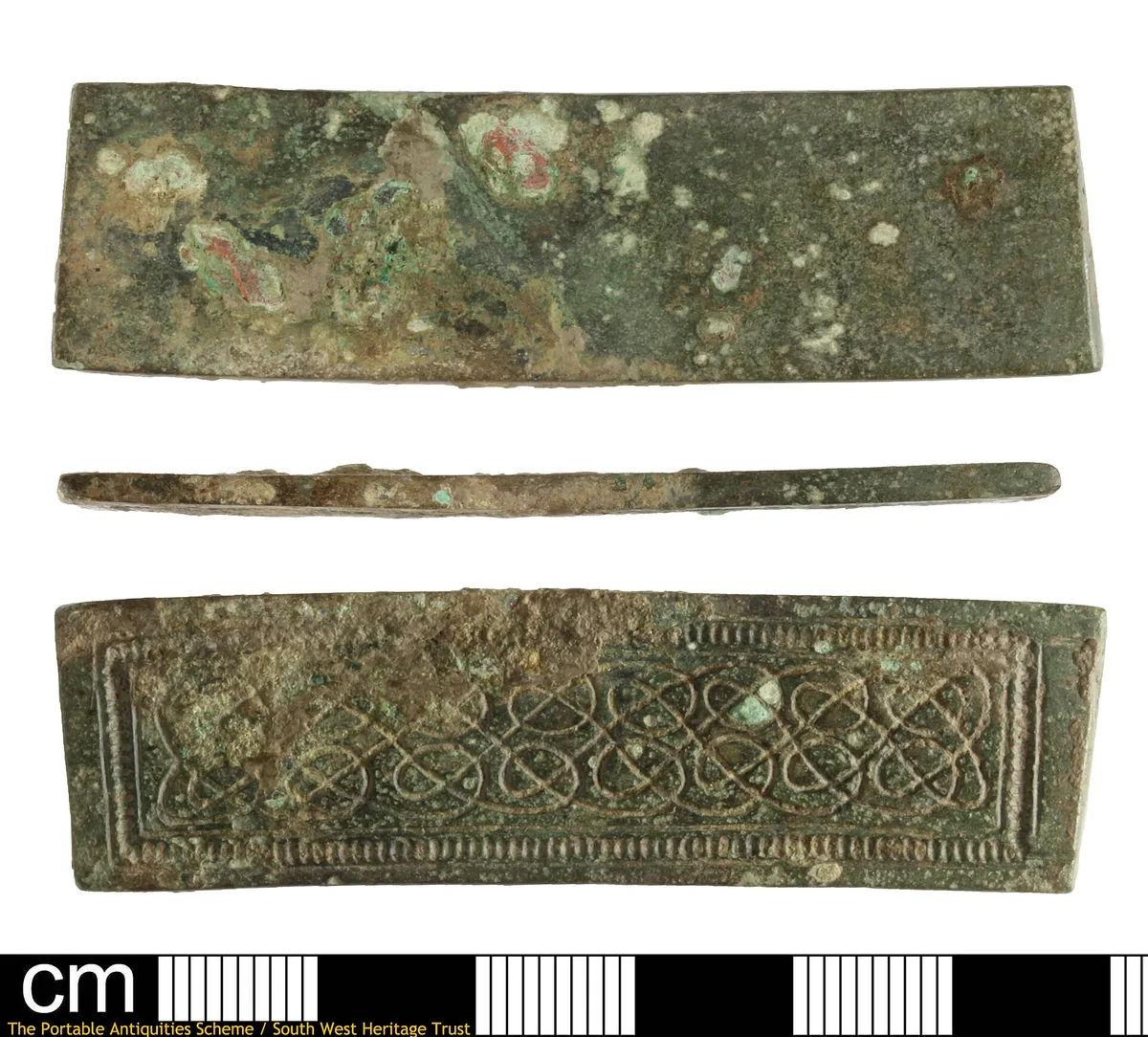
The V&A's A–Z of ceramics is particularly useful on the gap between a mark and a secure attribution. Its entry on A-marked porcelain describes an eighteenth-century British group whose factory attribution remains uncertain. It also notes that well-known factory marks have been copied.
Those examples don't establish that a particular object offered for sale is misidentified. They do show why a mark, on its own, isn't the end of an attribution question. Ask what supports the maker and date in the description, and keep that explanation with the sale record. Where the attribution matters to the purchase, uncertainty should remain visible. Readers following this should also see Sotheby's Posts a Record $4.4 Billion First Half of 2026.
Learning the language of a description can be more useful than memorizing a list of prestige names. Compare the seller's terminology with a museum reference, and separate what is documented from what is described as attributed or uncertain. This connects to our earlier piece, Guggenheim Abu Dhabi Names Valerie Hillings as Its Inaugural Museum Director.
Which condition questions belong before the purchase?
The Canadian Conservation Institute's care guidance for ceramics and glass explains that construction and decoration affect an object's vulnerabilities. It notes that decoration applied over a glaze can be particularly susceptible to damage during handling or cleaning.
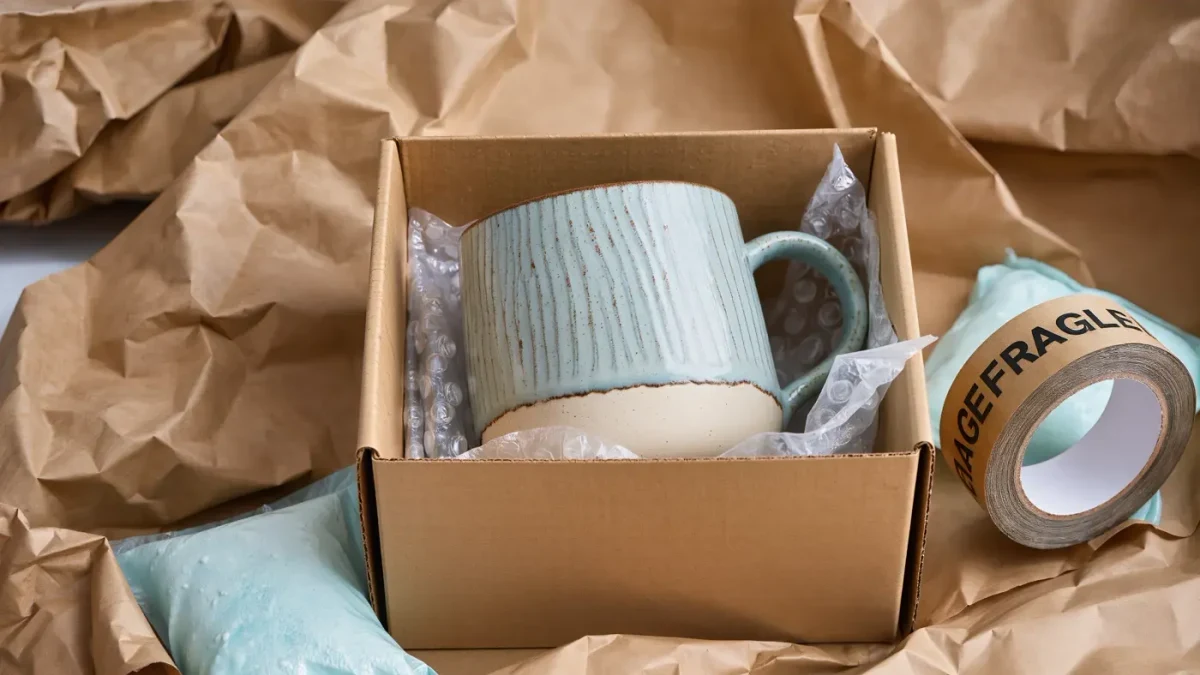
The institute recommends examining an object before moving it and supporting it appropriately, rather than lifting it by a vulnerable projecting part. Its advice concerns museum care, not a guarantee about the condition of anything for sale.
For a potential purchase, ask the seller to identify any damage or repair and explain what can actually be inspected. If a photograph leaves a question unanswered, it is still an unanswered question. A low price doesn't supply the missing condition information.
What should stay with the object?
Keep a simple purchase record: the seller's description, photographs and the receipt, alongside any separate documentation supplied. Record an uncertain attribution as uncertain. These are suggested collecting habits, not an authentication or valuation service.
Before adding another piece, look again at the first one. Is the interest becoming clearer? A collection can grow around a question about form or a particular maker's work. It doesn't need a claim that every purchase was a bargain.