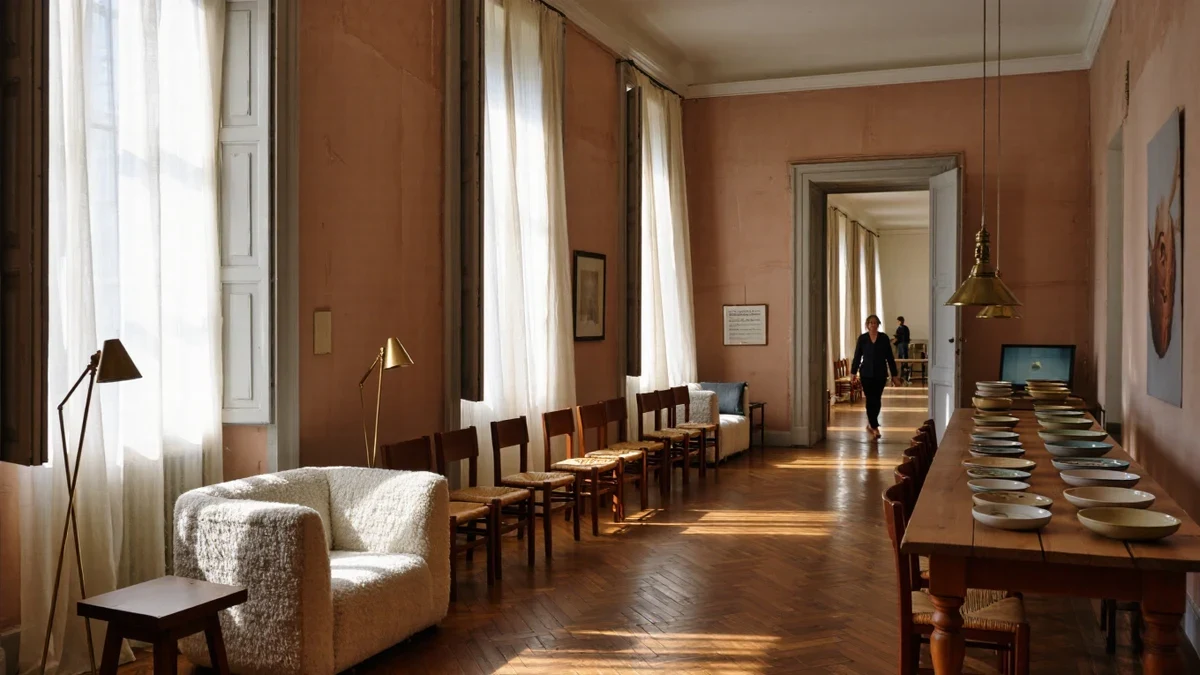
Copenhagen's 3 Days of Design opens Wednesday, June 10, and runs through June 12, 2026, across eight city districts under the theme Make This Moment Matter. Dezeen's Events Guide, which published its festival coverage on May 21, describes the thirteenth edition's exhibitions, installations, talks, launches and parties across Holmen, Nordhavn, Islands Brygge, and five other districts.
Why does this fair matter to a reader's home?
Because this is where the season's Nordic releases surface first. The festival's own materials describe 3daysofdesign as Copenhagen Design Week and Denmark's official design festival, a global platform where emerging and established talents present their brand, their stories, new product launches and latest collections to an audience of industry professionals, design media, and the general public. Unlike trade-only fairs, the public can walk in, which means the chairs, lighting, and objects written about all autumn are seen here first by ordinary visitors.
The festival's site records the texture of the program: furniture maker Sibast opens the doors to a new Copenhagen showroom transformed into a curated exhibition of new perspectives on its pieces, while Belgian lighting brand Wever & Ducré takes over the Anker & Co showroom to launch a new luminaire designed by Justine Kegels of JJ Studio, an installation the brand frames with the message that life is too short for boring lighting.
What is the practical angle for shoppers?
Treat the exhibitor map as a preview of the coming year's catalog pages. Lighting launches like Wever & Ducré's new luminaire typically reach retail in the months after a June debut, and furniture novelties shown by makers such as Sibast follow the same rhythm, so notes taken now, on material combinations and finishes seen in person, become the informed shopper's shortlist later. A fair entry priced in one tier at launch often holds only until the first production runs sell through.
Planning is the difference between a good festival day and a great one. The guide’s listing format pairs each exhibition with its event name, date and location details plus a website link, so a visitor can build a route around the districts rather than discovering them by accident, and the interactive map covers the three days’ worth of ground the city demands. For design watchers at home, the same listings function as a preview: every showroom takeover and launch talk documented in the guide is a name, a material, or a maker likely to reach shops and catalogs before the year is out.
Dezeen has also launched an interactive map to help visitors find their way around Copenhagen over the three days, useful because the eight districts reward planning: a morning in Frederiksstaden's showrooms and an afternoon in Nordhavn's are different trips, connected by the city's harbor buses as much as by intent.