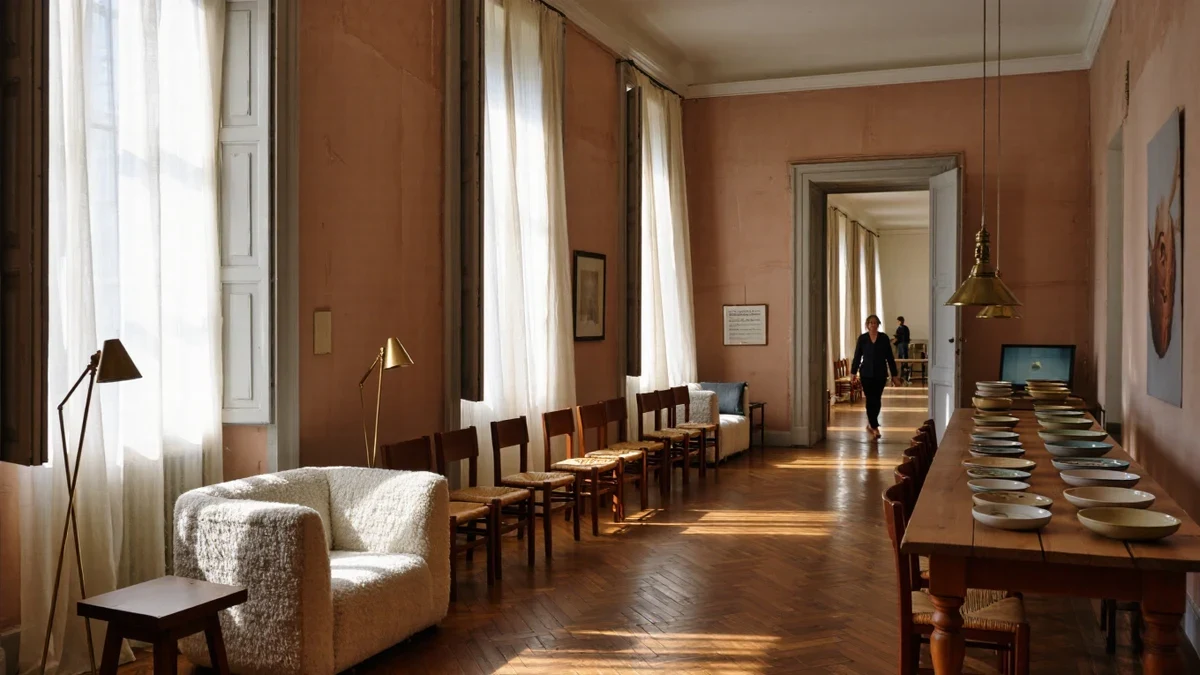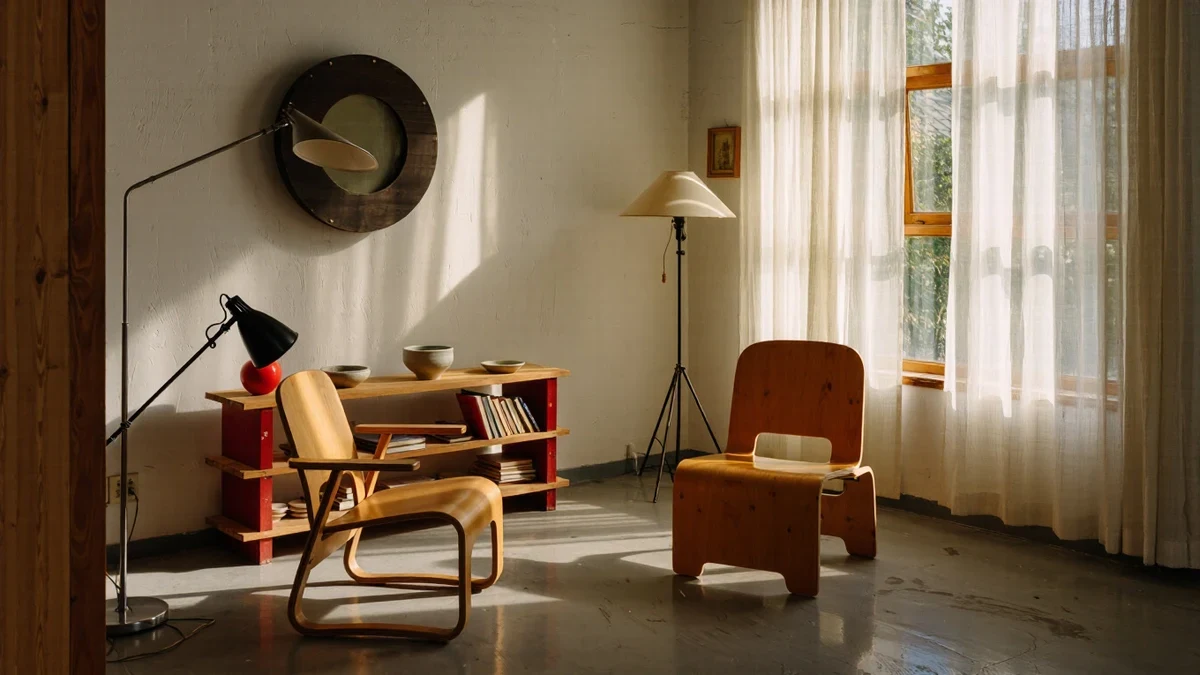
The loudest collaboration announcement of the design year is Kelly Wearstler's with H&M Home: a 29-piece collection of modular furniture, lighting and objects, previewed at Milan design week in the 17th-century Palazzo Acerbi and launching September 3, per the brand's April 2 announcement and Dezeen's reporting. It is H&M Home's first furniture collection.
What has 2026's biggest announcement actually delivered?
Specifics first. According to H&M Group's press release of April 2, the collection spans "wood, metal, ceramics, marble and textiles," with thirteen key designs shown in Milan and bespoke pieces in custom colors and sizes. Dezeen reported the collection at 29 pieces, describing lighting, accessories and modular furniture, and noting it will be unveiled with an installation in a palazzo. The significance is structural: a retailer whose range has been textiles and objects is stepping into furniture, with a designer known for luxury interiors supplying the vocabulary.
Why do retailers and makers pair up this way?
Each side buys something the other has. The retailer buys credibility, a name, and a design language its in-house teams do not own; the designer or heritage maker buys reach into homes that will never commission a project. MillerKnoll's Fulton Market presentation illustrates the institutional version of the same move: per the company's June 3 release, its Maharam brand showed textile collaborations with Paul Smith, Sander Lak and Hella Jongerius alongside a Muuto twentieth-anniversary sofa preview. Collaborations concentrate attention on a brand's stand or store, and they give editors and buyers a story that a seasonal catalogue cannot. For readers, they compress taste gradients: a material palette or silhouette that travels from a designer's own work into an accessible price tier within a season.
The designers benefit in ways that are less often said aloud. A collaboration gives a studio a reason to solve problems its commissions rarely pose, how a form survives flat packing, how a marble detail translates into a ceramic, and those solutions flow back into the studio's own work. The retailer, meanwhile, learns what its audience will accept at scale, which silhouettes sell, which materials survive shipping and returns. Both lessons eventually reach the shopper as better objects at ordinary prices, which is the quiet justification for the whole exercise.
What should a reader check before buying into a collaboration?
Three questions separate the durable from the merchandised. Who actually made it: a named manufacturer with a materials track record, or a licensed name on an anonymous production line, and the brand's own documentation is the honest ceiling of what can be verified. What is it made of: the Wearstler announcement specifies wood, metal, ceramics, marble and textiles, which is the level of specificity every launch should offer and many do not. And what happens after: limited collaborations often sell through quickly and are not restocked, so buyers should assume the piece will not be matchable later, and weigh it as a single purchase rather than the first installment of a suite. On price, restraint is correct: until documented retail prices publish at launch, no figure belongs in print.
Is the collaboration wave good for design?
The honest reading is mixed, and it is the same reading every collaboration era earns. The best of these projects genuinely widen access to considered design, and a modular furniture system from a serious interior designer, offered through a mass retailer, is a real widening. The risk is dilution: names spread across categories until the signature means nothing, and quality drifts toward the cheapest factory that can license it. The reader's leverage is the questions above, asked of every announcement between now and the September launch, when the pieces themselves, not the preview installation, will answer.
What should a reader watch between now and the launch?
The documented calendar gives the checkpoints. The collection becomes available September 3 in select stores and online, per the brand's April announcement, which means the intervening weeks are when verifiable details should surface: piece-by-piece photography, dimensions, materials per item and, finally, prices. Until those publish, every specification beyond the April release's material list is marketing. Readers who want the collection rather than the moment will do their comparing after launch, when the marble is named, the wood species is named and the modular logic can be measured against a real room. The preview in Palazzo Acerbi was the announcement; September is the evidence.
Are we in a collaboration cycle or a collaboration shift?
The scale of the commitments suggests a shift. A retailer building its first furniture collection with a designer of Wearstler's standing is not a seasonal capsule; it is an investment in a category, and it follows a year in which established manufacturers kept reaching outside for authorship, as Maharam's run of textile collaborations indicates. What has changed is the ambition on both sides of the pairing: retailers want furniture credibility, and designers want their vocabularies in rooms they will never decorate. Readers benefit when the results are specific, documented and honestly priced, and lose when the name outruns the object. The three questions above, asked consistently, are how to tell which one a given launch is.