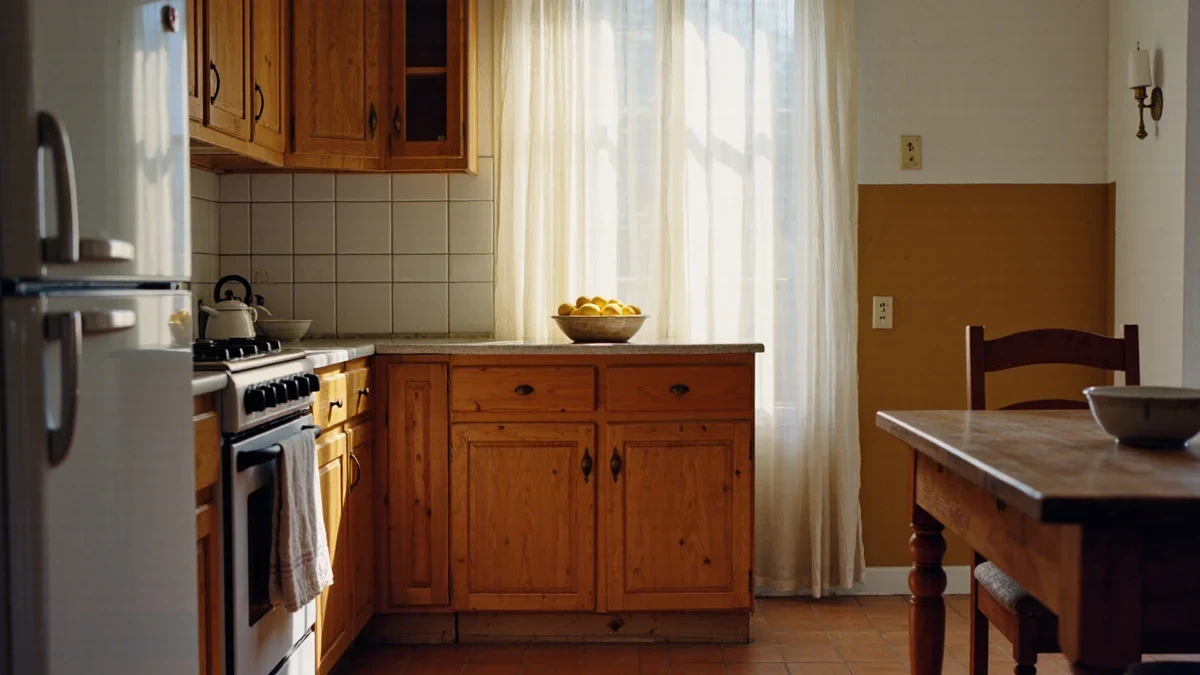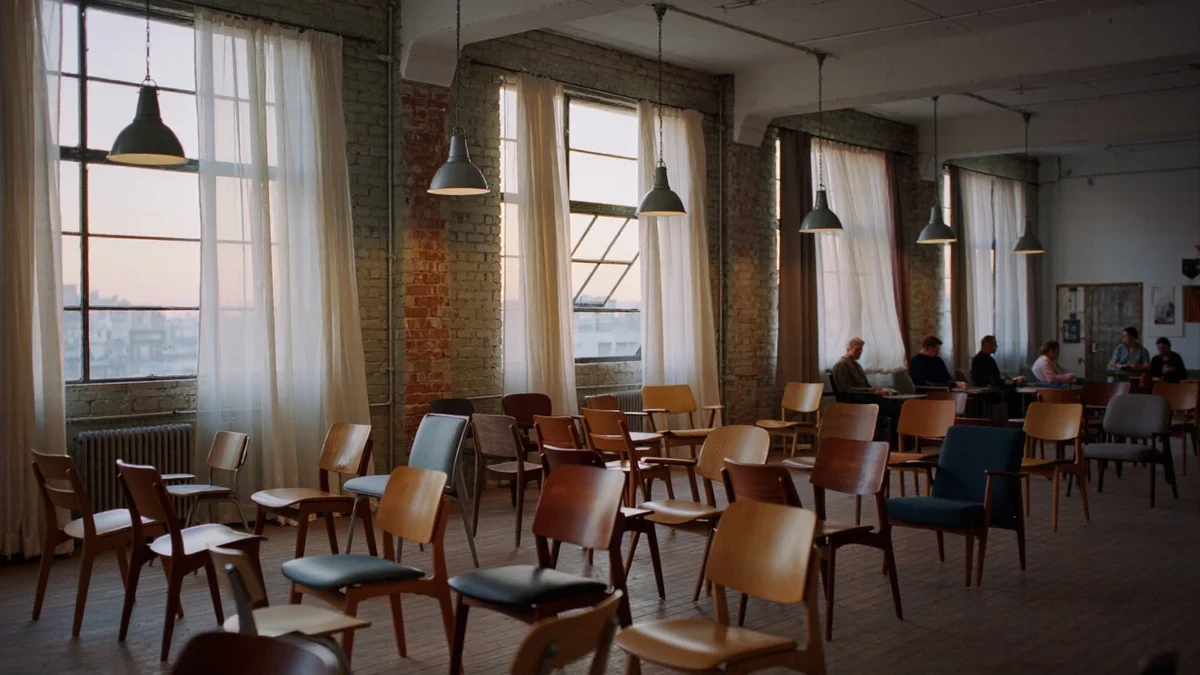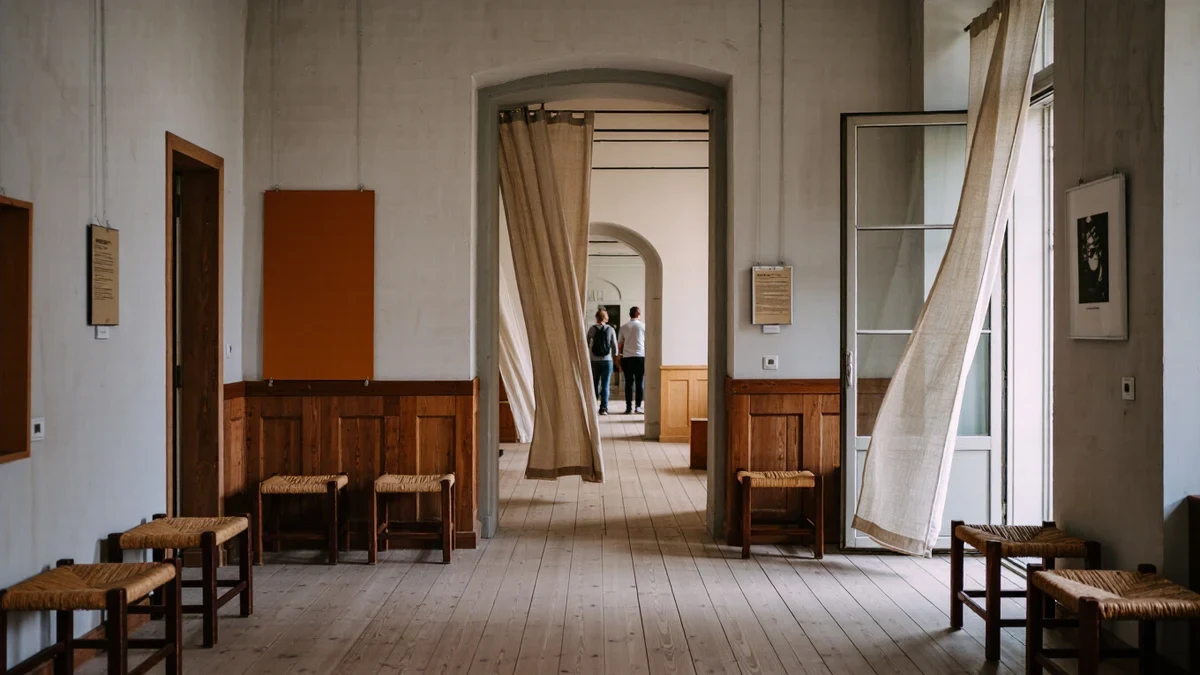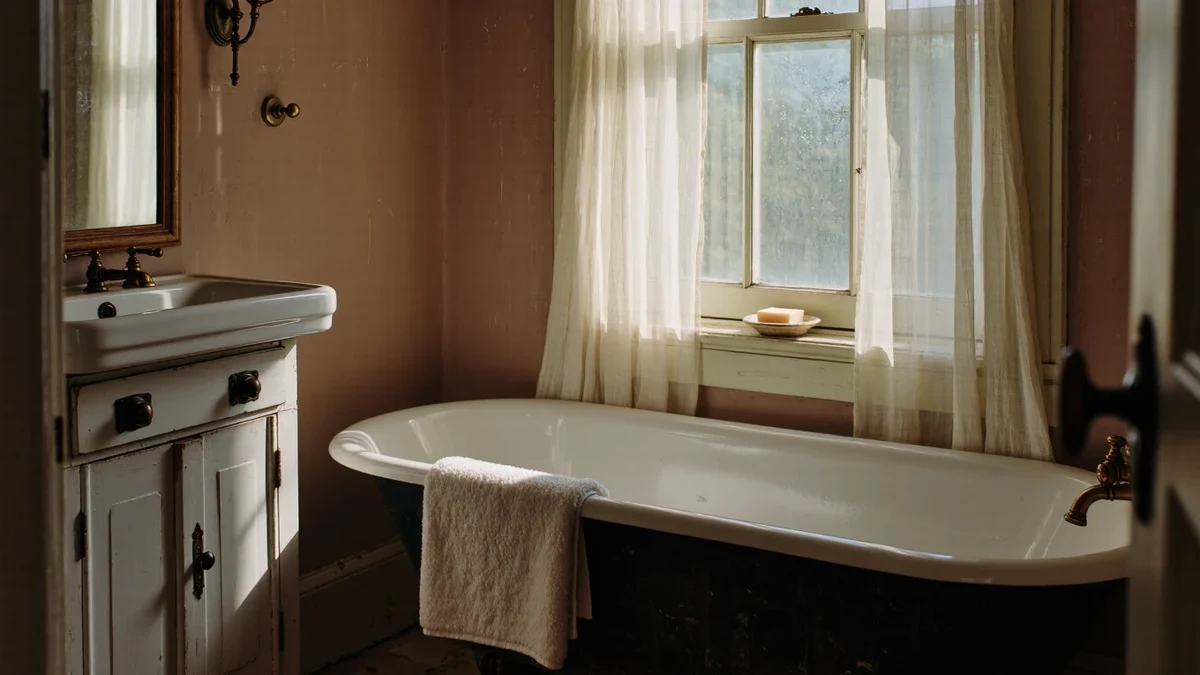
The season's biggest textile story arrived in Copenhagen, where Kvadrat presented THREE, a residential curtain collection by Isa Glink, installed at Pakhus 48 as an exploration of multidimensionality, per the 3daysofdesign programme. COVER magazine counted eight separate rug events at the same festival, from cc-tapis to Reuber Henning. Fabric is now a building material.
What launched at 3daysofdesign 2026?
Kvadrat used the Nordhavn warehouse district as its stage, presenting the new residential curtain collection under the direction of Isa Glink alongside a rug series and a Vitra-run café. The festival listing describes an installation exploring multidimensionality and materiality, positioning curtains not as window dressing but as objects that occupy and divide space. The brand also staged conversations with the designer during the run, signalling that the collection's ideas were meant to travel beyond the showroom.
The wider programme backed the same thesis. Writing in COVER on 17 June 2026, editor Lucy Upward rounded up the eight best rug events of the festival, a spread that included Finnish brand Finarte showing a collection with fashion designer Ervin Latimer, cc-tapis presenting its Dedalo collection, and Reuber Henning's OVO collection. The density is the point: one festival, eight rug moments, none of them treating the floor as an afterthought.
Why are curtains and rugs suddenly architectural materials?
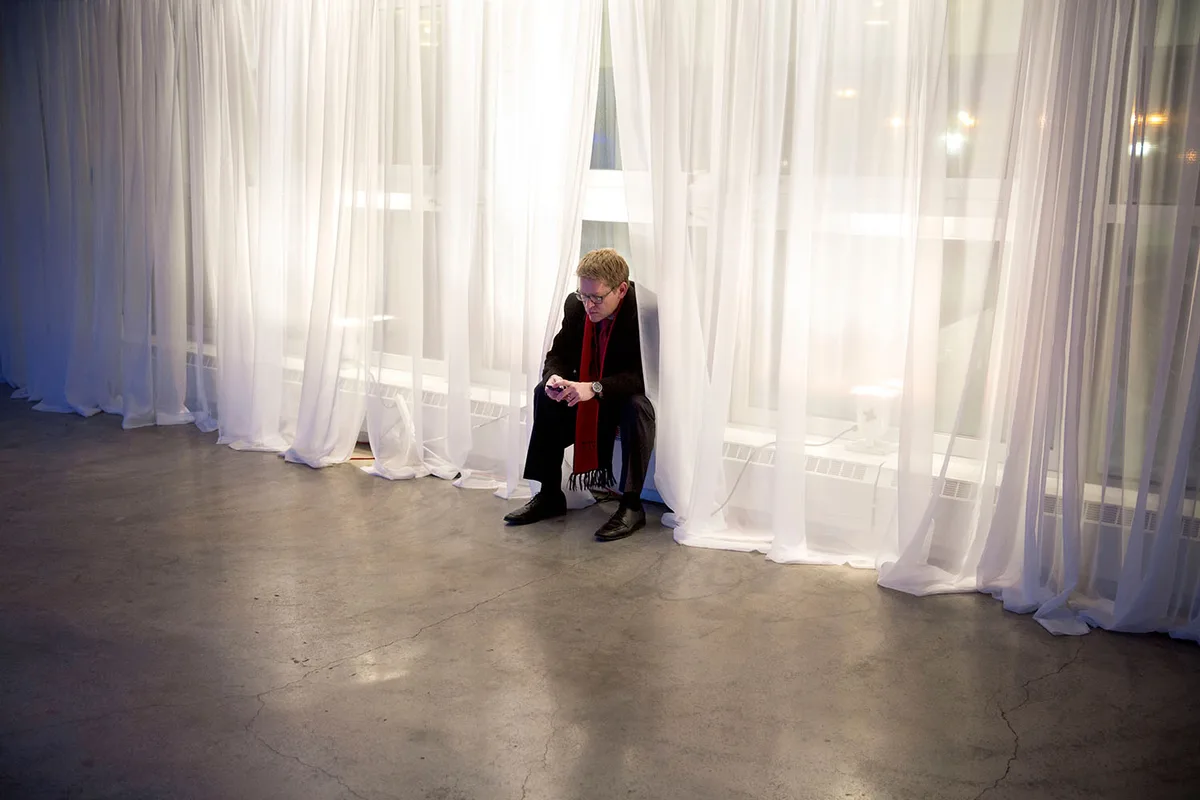
Because the launches behave like partitions. Kvadrat's own presentation frames THREE as a residential curtain collection that works spatially, hung to define rooms rather than merely dress windows. In a housing moment where open plans are being softened rather than rebuilt, a textile wall is the cheapest structure a renter can install and the only one a listing notice will never object to.
The festival's depth ran past the headline makers. Upward's roundup also records Jan Kath Design exhibiting at Pakhus 11, Vandra Rugs showing at MKDT Studio, a Cord collection installation from Layered with Massproductions, and Palette Muse by Linie Design, alongside Danish Art Workshops textiles by Gitte Svendsen, Rosa Lützen, and Kari Guddal and a Female Design Futures platform for emerging studios. One city, one long weekend, and enough documented textile output to restock an entire mood board by name.
The rug launches push the same logic onto the floor. Upward's report notes Finarte's collaboration with Latimer included a one hundred percent wool shaggy series and the pale yellow Kajo flatweave, while the cc-tapis Dedalo designs were rendered in four colours: brown, ivory, mustard, and black. Latimer, quoted in the piece, called the collection his attempt to forge a new, contemporary expression of an Afro-Finnish identity, a reminder that surface decisions carry authorship the way furniture does.
For the magazine's purposes, the honest read is this: the industry's material budgets are migrating from case goods to cloth. A documented festival season in which a major textile house launches curtains and eight makers launch rugs is not a coincidence of calendar; it is a redirection of attention, and it rewards readers who think about fabric the way they think about joinery.
How do these launches change a reader's room?
Practically, they legitimise the curtain as the room's largest movable surface. If a collection is engineered, as Kvadrat's programme text has it, around multidimensionality and creative expression in an installation setting, then the domestic translation is curtain runs that curve, stack, or stop mid-wall to carve a reading corner out of a living room. The daring is in the hanging, not the sewing.
The comparison table below gathers the documented debuts a reader can point to by name:
| Launch | Maker | Documented specifics | Where shown |
|---|---|---|---|
| THREE curtains | Kvadrat, by Isa Glink | Residential curtain collection; multidimensionality installation | Pakhus 48, Copenhagen |
| Latimer collaboration | Finarte with Ervin Latimer | 100% wool shaggy series; Kajo pale yellow flatweave | PLAYROOM, festival citywide |
| Dedalo | cc-tapis with studioutte | Four colourways: brown, ivory, mustard, black | Design / Dialogue by Ark Journal |
| OVO | Reuber Henning | Rug collection shown alongside Warp & Weft's Lineage display | Design / Dialogue by Ark Journal |
There is also a durability argument hiding in the materials list. Wool shag and flatweave constructions of the kind Finarte documented, and the hand-knotted traditions cc-tapis and Jan Kath trade in, are repairable surfaces: a pulled loop can be resecured, a worn border rebound, in a way a printed flat surface cannot be. Choosing cloth that is thick enough to be mended is the same instinct as choosing case goods with joints that can be reglued, and the Copenhagen season made that choice newly visible.
None of this requires a purchase to be useful. The season's lesson, documented across the festival's own programme pages and the trade press that inventoried them, is that textile choices are now spatial choices: the first question about a curtain is no longer what it covers but what it encloses. Rooms edited with cloth, in wool shag or pale flatweave, mustard or ivory, can be unedited again on a Sunday afternoon, which is more than a wall has ever offered.