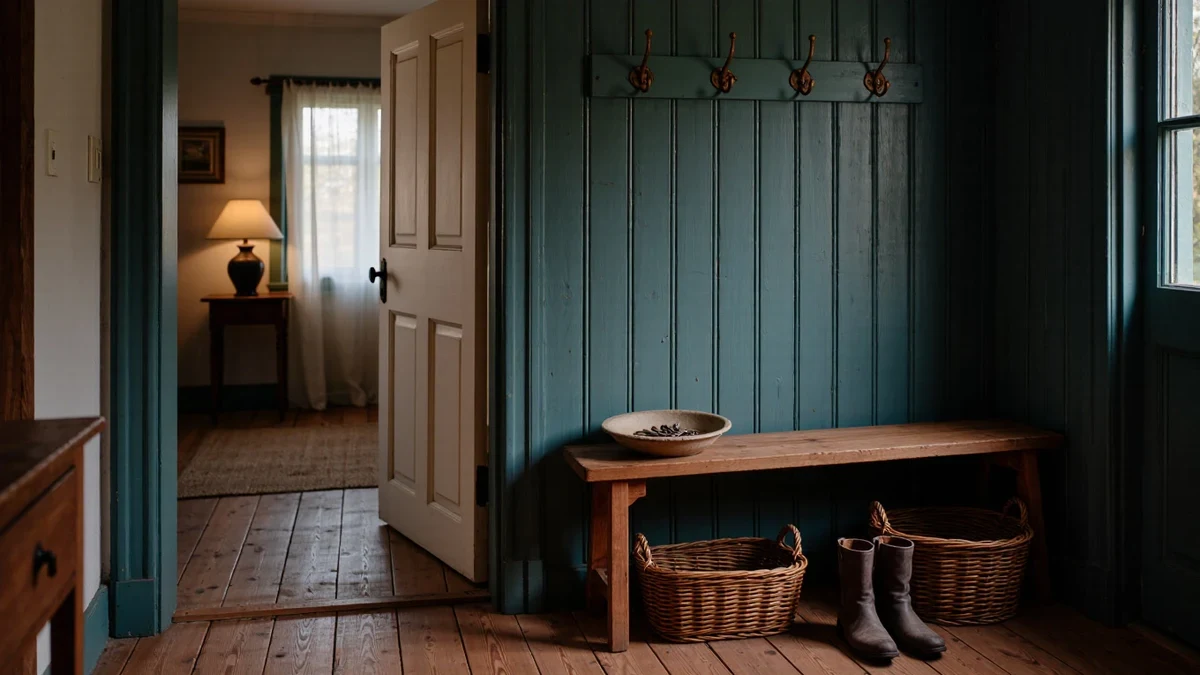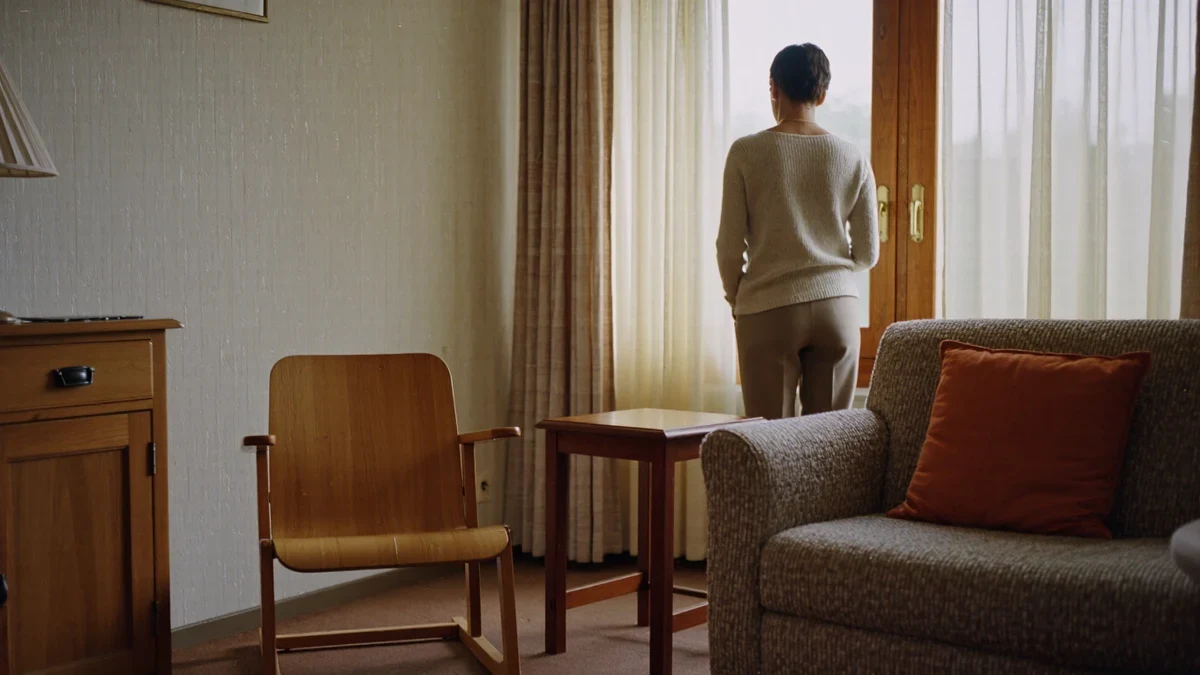
A living room refresh can pair a £60 birch-plywood easy chair with collectible debuts, and the pairing is deliberate: IKEA's PS 2026 collection, launched worldwide on 14 May 2026, delivers more than 40 documented pieces under the theme of playful functionality, while New York's May design week surfaced independent studios' new lighting and upholstery.
Which new pieces should anchor a living room?
Three PS 2026 launches give a room its bones. Marta Krupińska's rocking bench splits a wood beam and reglues it with the grain reversed, so the opposing grains reinforce each other; Dezeen reports the trick made the bench stronger than an early metal-backed prototype. Lex Pott's floor uplighter turns from uplight to reading light on a newly developed 45-degree hinge. Friso Wiersma, a trained boat builder, reworked IKEA's 1970s Guide shelf in solid pine, with carefully considered joints accentuated in red — solid-wood shelving that is rarely affordable new, as Dezeen's collection review notes.
Ellen Hallström's all-timber easy chair delivers the tactility of solid wood at a documented price: it retails for £60, in a range Dezeen describes as mostly under £100 per piece. Her folding chair, rendered in red, black and powder-blue blocks with a palette straight out of a Mondrian painting, is designed to hang on the wall between uses — seating that doubles as art.
How do you layer a room across price bands?
The shelter-magazine trick is contrast: one engineered bargain, one crafted statement, one inherited piece. The documented 2026 launches below show how wide the band runs.
| Documented piece | Designer / maker | Documented detail | Source |
|---|---|---|---|
| PS 2026 easy chair | Ellen Hallström for IKEA | Birch plywood, retails at £60 | Dezeen, 13 May 2026 |
| PS 2026 rocking bench | Marta Krupińska for IKEA | Reversed-grain glue-up, adult seesaw | Dezeen, 13 May 2026 |
| Petal Promenade collection | Cuff Studio | Furniture, lighting and accessories; upholstered pieces in Scalamandré fabrics | Architectural Digest, 12 May 2026 |
| Ribbon, Dancer and Twirl lighting | Anna Dawson | Three dance-inspired debut collections at ICFF's Wanted | Architectural Digest, 12 May 2026 |
Both ends of that table reward the same eye. The Petal Promenade series takes its cues from the classicism of 20th-century decorative-arts movements, according to Architectural Digest's design-week guide, while the £60 chair asks for a bare corner and nothing else.
What did this year's design week change for seating and light?
New York's May 2026 edition shifted the mid-market. At Wanted, the emerging-design portion of ICFF, the program featured 60 American designers' bespoke products, including many notable lighting debuts, per the AD guide. Coil+Drift marked its 10th anniversary with a presentation called Decade of Dancing With Light. The lesson for a living room: American independent lighting is suddenly easy to source, and one sculptural fixture does more for a scheme than a grid of downlights.
Where does craft fit at the affordable end?
Craft is the story IKEA itself tells for PS 2026. The brand describes Wiersma's cabinet as a celebration of the craftsmanship of IKEA's skilled woodworkers, a woven pine piece whose character only grows more attractive over time. Maria Vinka's vases were shaped freehand by a master glassblower in a Småland studio, straight from her sketches, and Ola Wihlborg's sofa-bed borrows mattress-style foam and pocket springs. Henrik Preutz's chair refuses to dictate posture: sit forward, lean back, spin around. The brand's own collection pages are the source for each of these facts — a brand may be cited for its own collection, though not as independent verification of quality.
How do you arrange what you keep?
The PS 2026 catalogue quietly teaches layout lessons, because several pieces are designed around movement rather than posture. Henrik Preutz's chair refuses to choose for its sitter — sit forward, lean back, spin around or rest your arms on the support, the brand's page invites — which makes it a piece for the edge of a conversation circle, not the centre of one. Ola Wihlborg's round folding table, collapsed by a twist of its signature red-wing screw, is built for homes that need a big table only sometimes: kitchen table, craft table, mini kitchen island in turn, with a hidden drawer that opens from both sides.
Ellen Hallström's folding chair answers a smaller apartment question — where does the sixth chair live when there is no sixth guest? — by hanging on the wall, where the brand suggests it reads as more modern museum than mealtime. Her five-hook rack, a twist on the classic Shaker peg rail with retractable hooks, treats storage as wall decoration whether in use or not. None of these tricks is new to shelter editors; what is new is the documented price band they arrive in.
What should a reader actually take from 2026's debuts?
Three moves. First, buy the tactile bargain early: the PS range is limited-edition by nature — editions since 1995 have arrived every few years and then disappeared — so the £60 plywood chair is a this-season decision, not a someday one. Second, spend the savings on one crafted statement with a name attached: a debut lighting collection from an independent studio, of the kind Wanted surfaced in May, gives a room its focal point and its story. Third, leave room for patina; the PS cabinet's woven pine is described by its own maker as growing more attractive over time, which is the same argument an inherited walnut chest has always made.
A living room built this way — one documented bargain, one crafted statement, one piece of inherited patina — reads as collected rather than bought in an afternoon. The 2026 debuts simply make the first two layers easier than they have been for a decade.