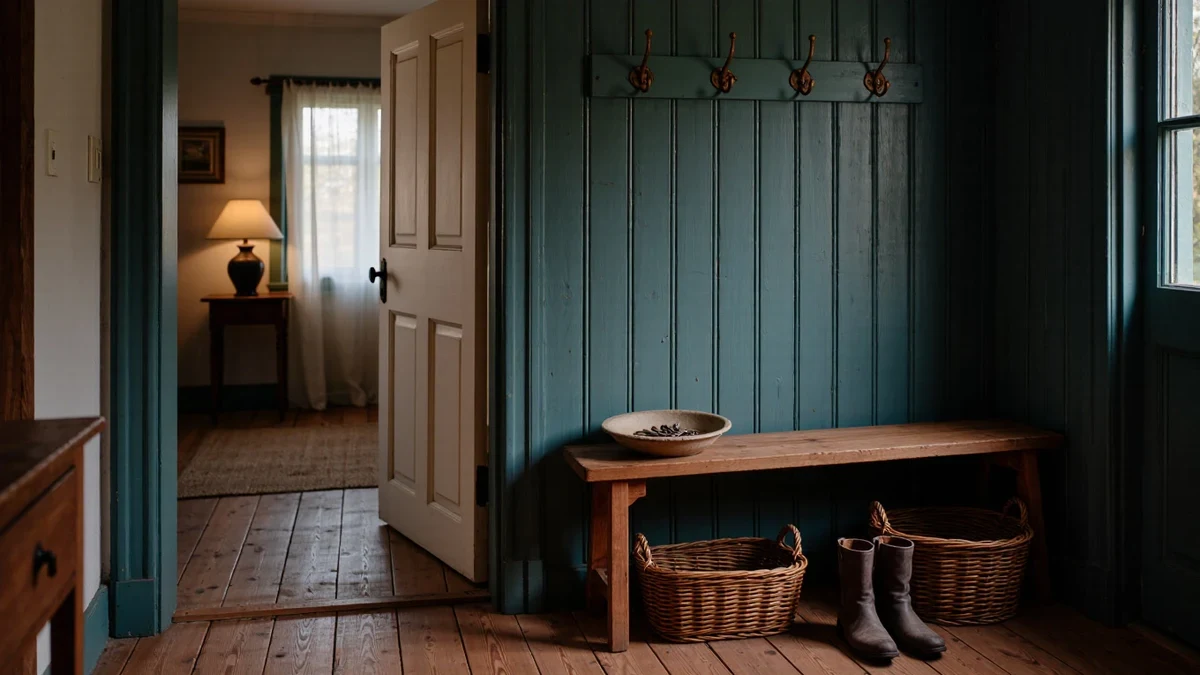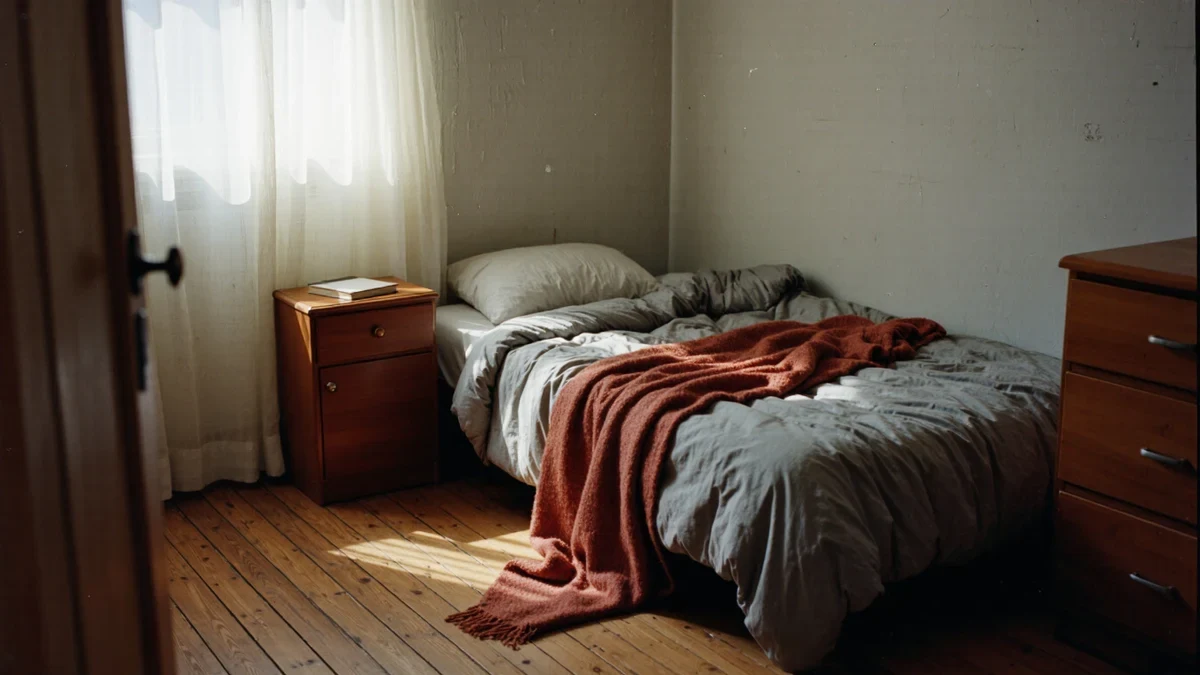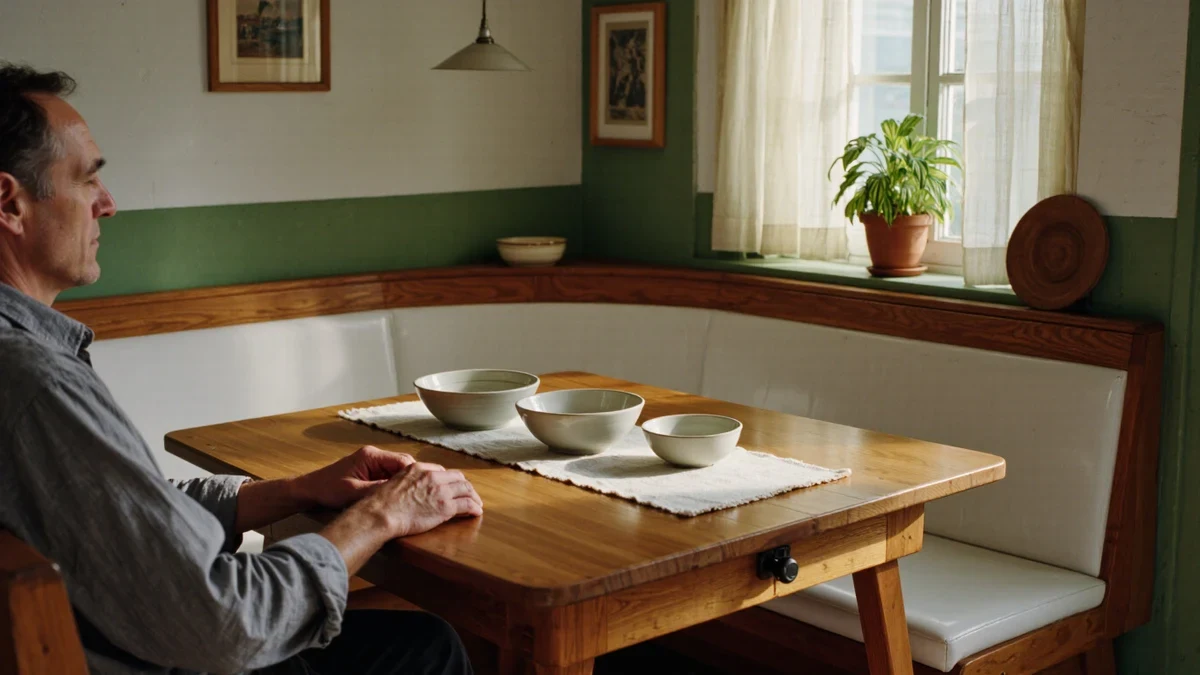
Japandi is an interior style defined by the blend of Japanese minimalism and Scandinavian simplicity — a portmanteau of Japan and Scandi that took hold around 2016. Designer Shanty Wijaya, quoted in Architectural Digest, describes it as blending Japanese artistic elements and wabi-sabi philosophy with Scandinavian comfort and warmth, or hygge.
Where does the style come from?
Further back than its name suggests. Though the term emerged around 2016, the style's encyclopedic entry traces earlier fusions of Japanese and Scandinavian design in ceramic crafts, architecture and Danish furniture, and notes the influence of two philosophies: Japan's wabi-sabi and Scandinavia's hygge. Architectural Digest makes the same point through Laila Rietbergen, author of Japandi Living, who says the relationship between Japan and Scandinavia started a long time ago — some people just think Japandi happened. The reference work's style details are concrete: shoji space dividers, low-profile furniture, and an emphasis on natural materials such as stone, paper, bamboo and wood.
What does a Japandi room look like?
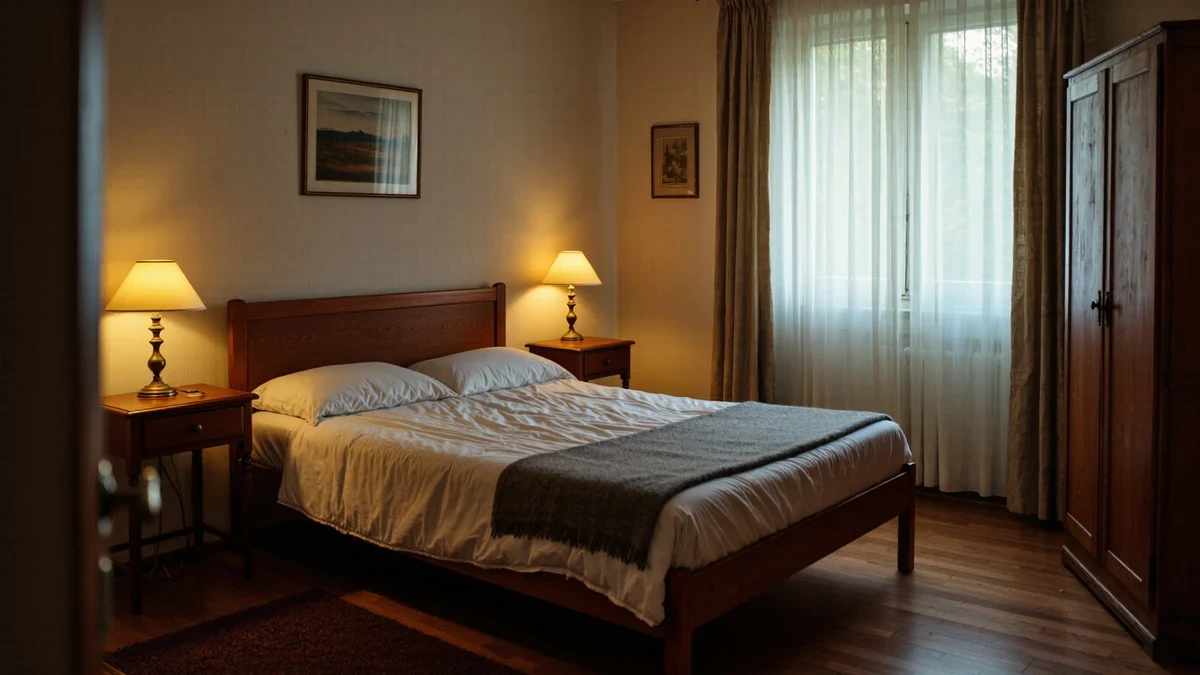
Calm surfaces, warm textures, very few objects. Walls run to off-white, beige or soft greys that amplify natural light; furniture is wooden with a natural finish; lighting is indirect and warm-toned. Rietbergen, speaking to Architectural Digest's style guide, notes that in both Japan and Scandinavia people bring nature home — through wood and linen, organic shapes, greenery. The palette stays neutral, the materials stay natural, and the styling stays deliberately clutter-free.
| Element | Japandi choice | Documented source |
|---|---|---|
| Walls | Off-white, beige, soft greys to amplify light | Wikipedia, Japandi |
| Furniture | Low-profile, wooden, natural finish | Wikipedia, Japandi |
| Dividers | Shoji-inspired screens | Wikipedia, Japandi |
| Materials | Stone, paper, bamboo, wood, linen | AD guide / Wikipedia |
| Light | Indirect, warm yellow tones | Wikipedia, Japandi |
Which colors and materials count as Japandi?
A short, warm list. Architectural Digest summarizes the palette generally as neutral colors, high-quality and natural materials, and an emphasis on greenery and nature — Rietbergen points to wood and linen, organic shapes, and combining different shapes rather than matching sets. The reference entry adds the specifics a shopper can hold: walls in off-white, beige or soft greys that amplify natural light; a low bed; wooden furniture with a natural finish; and indirect lighting in warm yellow tones to keep the atmosphere serene and visually light. Greenery is structural here, not decorative — a single sculptural plant does more than a mantel of small ones.
What stays out matters as much. The same reference notes that knitted throws, woolly rugs and candle clusters are details more closely associated with Scandi hygge than with Japandi. The style trades that winter cosiness for calm: fewer textiles, harder edges softened by material warmth, and one imperfect object where hygge would put a cluster of comfortable ones.
Is Japandi the same as wabi-sabi?
No, and the distinction matters when decorating. Wijaya, of the Los Angeles practice AllPrace, explains that wabi-sabi is a traditional Japanese aesthetic and worldview, while Japandi is the design movement combining Japanese wabi-sabi with Scandinavian hygge. Rietbergen's book puts it in one line: wabi translates to rustic simplicity or understated elegance, and sabi means finding beauty in imperfection, particularly in items grown old over time. A Japandi room borrows that patience — one weathered bowl is welcome; a shelf of them is not.
How did the style travel between two cultures?
Through objects before Instagram. Architectural Digest's history notes that Japandi homes, though a more established style now, date back hundreds of years in the exchange between the two cultures, and Rietbergen — who fell for the aesthetic after a trip to Japan in 2018 — frames her account around a relationship between Japan and Scandinavia that started a long time ago. The reference entry records where the fusion first became visible: ceramic crafts, architecture and Danish furniture. The practical consequence for a reader is reassuring — the look does not require importing anything. Danish furniture makers and Japanese ceramicists were borrowing from each other for generations; a domestic wooden table and an unglazed bowl continue the same conversation.
Wijaya's own work shows how literally the style can be lived. One bedroom in a Japandi home she designed for a client features closet doors inspired by Japanese landscape paintings, AD reports — a single gesture that carries the style's whole method: one quiet reference, executed in natural material, allowed to speak alone.
How do you furnish it without a budget for imports?
The look is forgiving because its requirements are material, not brand. A low wooden bed or platform sofa, linen curtains that filter rather than block light, one paper or bamboo-shaded lamp, and restrained ceramics will carry most rooms. The style's own reference notes even flag what to skip: knitted throws, woolly rugs and candle clusters read as Scandi hygge rather than Japandi. Keep the surfaces clear, let one imperfect object hold the corner, and the room does the rest.