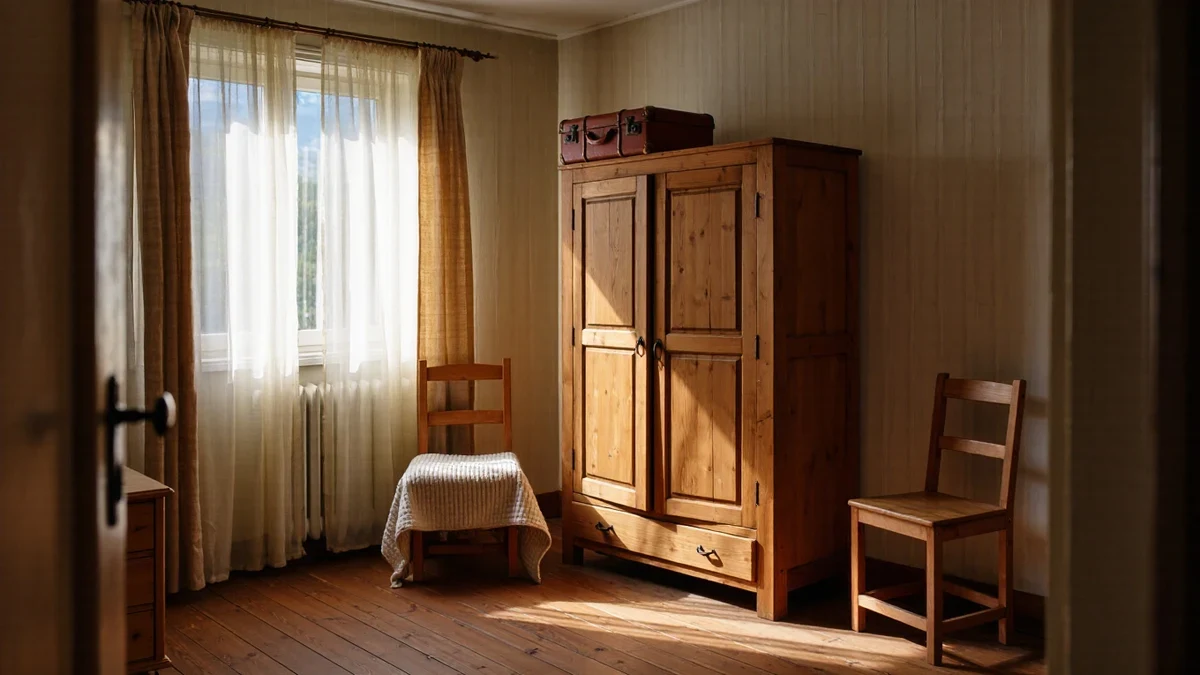
Custom furniture is built to a buyer's specification by a named maker, while ready-made furniture is produced in quantity to a standard design; the honest difference is control, of materials, joinery, dimensions and finish. Tru Wood Custom Woodworks, a Canadian custom shop, calls big-box convenience a trade-off with hidden costs in how a piece ages.
What is the real difference between custom and ready-made?
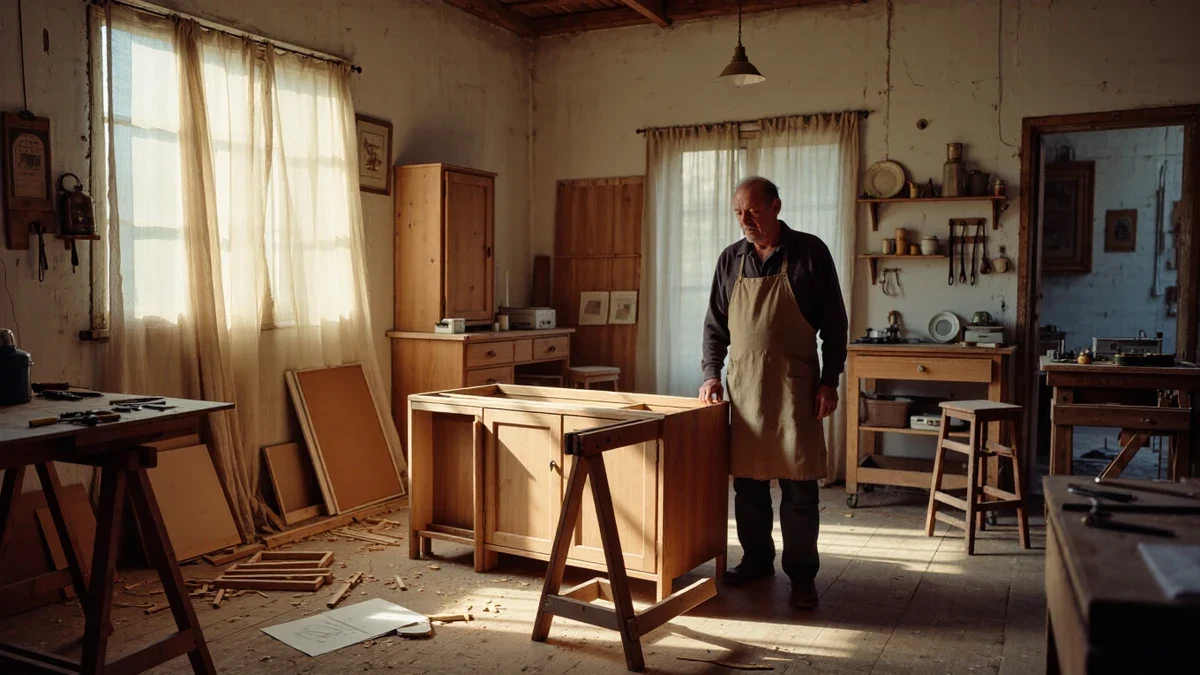
The difference starts at the workbench. Tru Wood Custom Woodworks, a Canadian custom shop, describes its process as furniture built by "someone who has spent years refining their skills," where "each part is measured, cut, shaped, and assembled with care" and "every joint matters." That is a maker describing its own standard, and it is the standard a buyer is paying for: no automated assembly line, no shortcuts. Ready-made production inverts those priorities, optimizing each piece for speed, shipping and price. Neither is dishonest, but they are different products. In Tru Wood's comparison of custom and mass-produced furniture, the studio argues that convenience "comes with hidden tradeoffs" that show up in how a piece ages.
How does the cost actually compare?
Custom pieces cost more at the moment of purchase, and the makers who build them are candid that this is the first thing a buyer notices. The argument they make is about lifespan: a piece sized to a room, built in solid wood, can be repaired, refinished and moved through decades of changes, while a flat-packed piece is often cheaper to replace than to fix. Budget honesty runs both ways. A custom dining table is not automatically a better purchase than a ready-made one for a rental, a first apartment, or a room whose use will change in two years. The price question is really a time question, and it deserves to be asked that way.
Which materials and joinery should you look for?
Wood selection and joint construction are where the two routes diverge most visibly. Custom makers work in solid hardwood with joinery sized to the piece, and they can specify board thickness, edge profiles and finishes to match an interior. Ready-made furniture spans everything from solid stock to engineered panels wrapped in veneer or laminate, and the construction is chosen for machine efficiency. According to Amish Outlet Store's guide to custom furniture, "because a craftsman is shaping your furniture rather than a machine, your piece is bound to turn out unique," even against another order of the same design. For buyers, the practical tests are simple: ask what a piece is made of, look at the joints, and ask whether a repair is possible.
| Custom furniture | Ready-made furniture | |
|---|---|---|
| How it is made | Built by a named maker to specification | Produced in quantity to a standard design |
| Materials | Chosen with the buyer, typically solid wood | Spans solid wood to engineered panels and veneer |
| Fit | Sized to the room and the use | Fixed sizes chosen from a catalogue |
| Up-front cost | Higher, quoted per commission | Lower, set at retail |
| Repair path | Maker can refit or repair the piece | Often replaced rather than repaired |
When is ready-made the smarter choice?
Often. Ready-made furniture is the right answer for tight timelines, uncertain plans and rooms that need to work this month. Stock pieces can be seen, sat on and measured before purchase, delivery is measured in days rather than months, and returns exist. A commission, by contrast, typically involves a deposit, a build slot and a piece that is yours whether the plan changes or not. Buyers who split the difference do it deliberately: a custom table that anchors a dining room, say, with ready-made chairs around it that can follow the children out to a first apartment. That mixed room is not a compromise so much as a budget allocation, and it is how many of the best-resourced interiors are actually assembled.
How do you commission a custom piece?
Start with the room, not the object: exact dimensions, the use the piece must serve, and the materials already in the space. Approach makers with their portfolio in hand, ask for a quote in writing, and expect to discuss wood species, finish and hardware before a deposit. A good maker will push back on a design that will not age well structurally, which is itself a form of value. Amish Outlet Store notes that a custom order can specify "a particular stain or wood," and that specificity is the entire point of the process. Lead times of weeks to months are normal, and the maker's own care instructions, not a retailer's, become the piece's maintenance plan for its whole life.
How do you judge quality in either route?
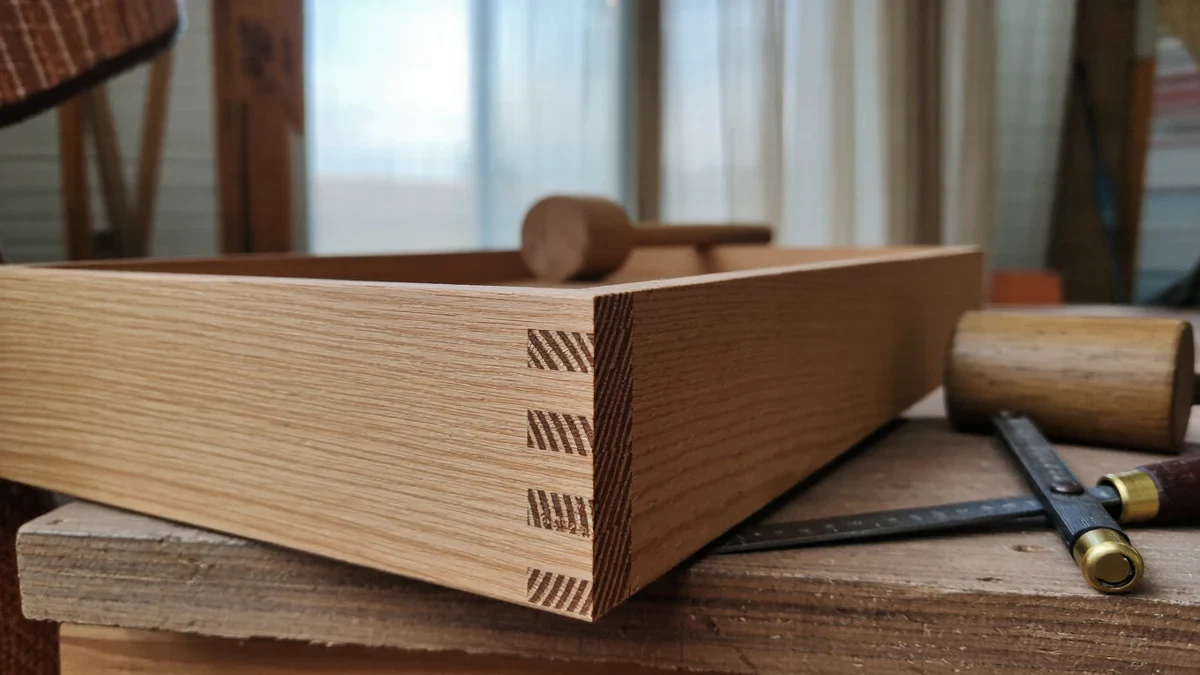
Quality is legible regardless of how a piece was produced, and the inspection is the same in a maker's workshop and a showroom. Turn the piece around or crouch beside it: the underside, the back panel and the inside of a drawer tell the truth about everything else. Dovetail and mortise-and-tenon joints indicate assembly designed to hold; staples and glue alone indicate assembly designed to ship. Drawers should run on their slides without racking, doors should hang square with even reveals, and a solid-wood top should show a finish that can be renewed rather than a paper-thin surface that cannot. Weight is crude but honest information, and so is smell; sharp chemical off-gassing suggests adhesives still working. None of these tests requires expertise, only a willingness to look where the catalogue does not point.
Ask the same questions of both routes, in the same words: what species and grade of wood, what finish system, what hardware, and what happens when something fails. A custom maker answers in specifics because the answers define the commission. A good retailer answers in specifications too, published and consistent, and a vague answer at either end of the market is information. Documentation matters as much as construction, since a piece with a recorded materials list is easier to repair, insure and eventually resell than one whose composition lives only in a marketing line.
Can ready-made ever be customized?
Partially, and the honest version of the question is how much. Retail finishes, hardware and upholstery options move a stock piece a long way without touching its construction, and some makers offer size adjustments within a range for a fee. What ready-made cannot absorb is a change to the structure itself: a different depth, a load-bearing shelf moved, a frame re-jointed. Those requests are custom work by definition, and asking a retailer for them produces either a no or a compromise. The pragmatic sequence is to exhaust the documented options first, on paper, and only then decide whether the remaining gap is worth a commission. Many rooms, honestly assessed, need less bespoke furniture than their owners first imagine, and one well-placed custom piece alongside considered stock furniture reads as more intentional than matching everything.