Salone del Mobile, the fair at the center of Milan design week, ran April 21 to 26, 2026 at Fiera Milano in Rho with more than 1,900 exhibitors from 32 countries across over 169,000 square meters, while the city's FuoriSalone opened a day earlier. ArchDaily calls the week "a layered system" of fair and city.
What is Salone del Mobile, and what opened this year?
The 2026 edition, the fair's 64th, introduced new program directions alongside the established halls. Per ArchDaily's report on the opening, the preview phase of Salone Contract was developed by Rem Koolhaas and David Gianotten of OMA, and Salone Raritas, with exhibition design by Formafantasma, introduced collectible design and gallery-based practices into dialogue with industrial production. The biennial sections returned too: EuroCucina with FTK, and the International Bathroom Exhibition, together bringing 269 participating brands. For furniture buyers, the biennial rhythm means kitchen and bathroom offerings peak in even years, and 2026 was one.
Fair or city: how do you plan the week?
Treat them as two different instruments. The fairgrounds at Rho are where production furniture lives: stands are staffed by export teams, order books are open, and a serious buyer can compare makers, finishes and lead times back to back. The city is where the ideas are staged; Dezeen's preview of twenty-nine unmissable exhibitions describes installations "from early openings across urban districts to the formal start of the fairgrounds program," including brand takeovers and independent exhibitions far from Rho. The practical split is fair days for sourcing, city evenings for context, and one buffer day, because distances between districts consume hours that no itinerary survives.
What should a furniture buyer actually do on a stand?
Sourcing at a fair is a discipline, and the numbers explain why: 1,900 exhibitors cannot be seen. Shortlist stands by hall before traveling, and on each one, do the three things catalogues cannot: sit in the piece, touch the finish under daylight rather than spotlights, and photograph the joinery and underside. Ask about materials, certification, minimum orders and lead times in that order, and collect the export contact rather than relying on the stand's memory of yours. Note the price behavior rather than the price: whether a maker quotes list, trade or project terms tells a buyer how the brand treats specifiers all year.
How do the biennial sections change the trip?
They change what the fair is for. In biennial years, EuroCucina and the International Bathroom Exhibition pull kitchen and bath specialists to Rho in force, and the 269 brands ArchDaily counted across those sections in 2026 made it the year to source kitchens and baths. In alternate years, the fair tilts toward the permanent categories: living-room furniture, workplace, lighting in Euroluce years. A buyer with one trip to allocate should match the trip to the buying cycle, because the biennial halls simply do not exist in the off year.
What should you check before buying anything at a fair?
Stand prestige is not a warranty. Before committing, verify the exhibitor's identity against the fair's own catalogue, confirm shipping terms and damage policy in writing, and be skeptical of edition claims that cannot be documented. Collectible and limited-edition work, the territory Salone Raritas now platforms, deserves extra diligence on provenance and authenticity, and no fair stand can promise either. The habits that travel well from Milan are simple: names, dates, photographs, written terms, and a night's sleep before any deposit.
When should you book a fair trip?
Early, by the standards of every other kind of travel. Milan design week absorbs the city's hotel stock months in advance, and the appointments that matter, brand presentations, showroom visits, the fair's own preview mornings, are scheduled before the season starts. The published rhythm helps with planning: ArchDaily's report notes that city programming began April 20, a day ahead of the fair's April 21 opening at Rho, and that the calendar is staggered by design across "institutions, infrastructures, and public space." A buyer arriving Monday for a Tuesday fair opening catches the city at full energy; a buyer arriving Wednesday finds the district installations thinning and the best conversations already had. Flights and lodging aside, the scarce resource is attention, and it should be budgeted like money.
How do fair finds actually get home?
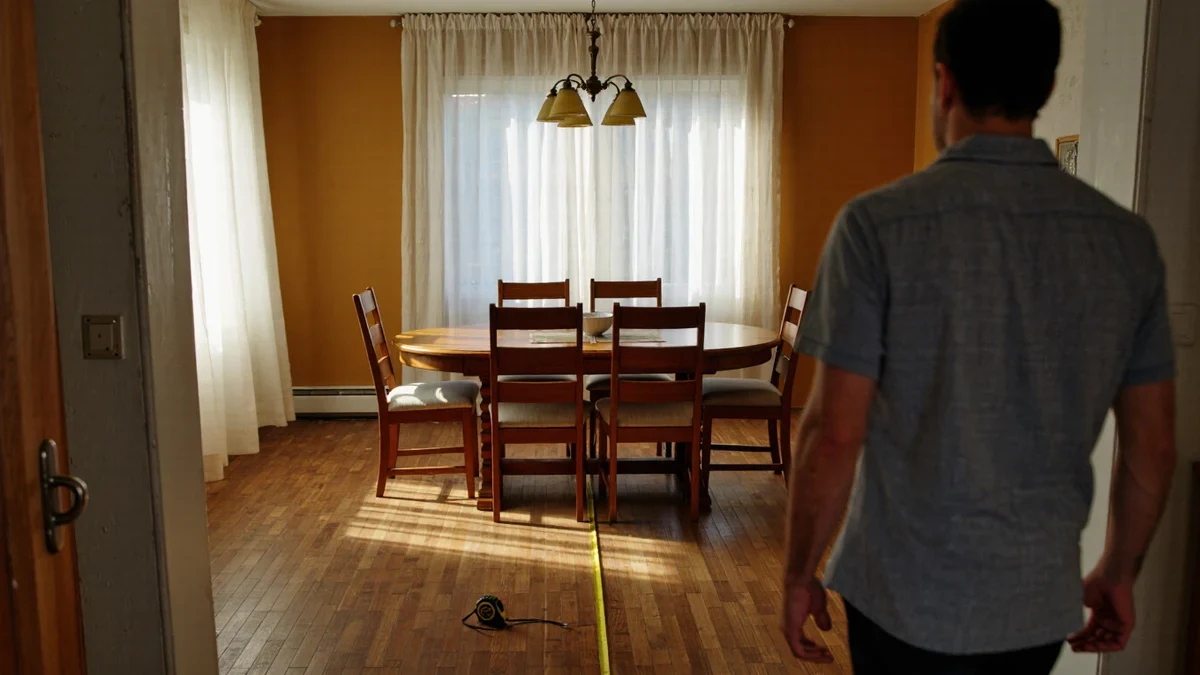
Logistics is where enthusiasm goes to be tested, so decide it at the stand rather than after. Production furniture is normally ordered, not carried: the stand takes the specification, the maker ships to the buyer's destination, and lead times of weeks to months are standard for anything made to order. One-off and small-batch pieces are the complicated ones, and buyers should ask directly whether a piece can be packed for travel, whether the seller can arrange freight, and what insurance covers in transit. The practical kit for any fair day is a tape measure, the room's dimensions written down, and a phone dedicated to photographs of labels, hall numbers and the people behind the stands, because in a week of nineteen hundred exhibitors the details blur within days, and the notes are the souvenirs that matter.
How do you work the fair with only one day?
One day at Rho is enough to be useful and not enough to be thorough, so the plan has to be ruthless. Book the earliest entry available, because the halls are quietest in the first two hours and stand staff have time to talk. Walk the shortlist in hall order rather than interest order, since the buildings are enormous and backtracking costs half an hour each time. Between shortlisted stands, let one deliberate detour happen, the discovery is the point of attending in person, but only one per half-day. Lunch is a strategy: the halls furthest from the central courts are emptiest at midday, which is exactly when their makers have time for a real conversation. End the day the way professionals do, with thirty minutes at a table, turning photographs into notes while the stands are still distinguishable in memory, and sending the two or three follow-up emails that evening, when a name still recalls a face.
What should a first-time visitor expect from the fairgrounds?
Scale, first of all. Over 169,000 square meters of exhibition space means comfortable shoes, water and a paper map as backup to any phone battery. The fair prioritizes trade visitors on weekdays, so the atmosphere is working rather than festive, briefcases and sample bags, order desks and spec conversations. Photography policies vary by stand, and it is polite to ask before shooting a prototype; many makers say yes, some say no, and both answers are part of the business. What surprises most first-timers is how willing exhibitors are to talk shop with a serious private buyer, because a fair stand exists to start relationships, not merely to close orders, and a visitor who arrives with dimensions, questions and follow-through is welcome in either category.