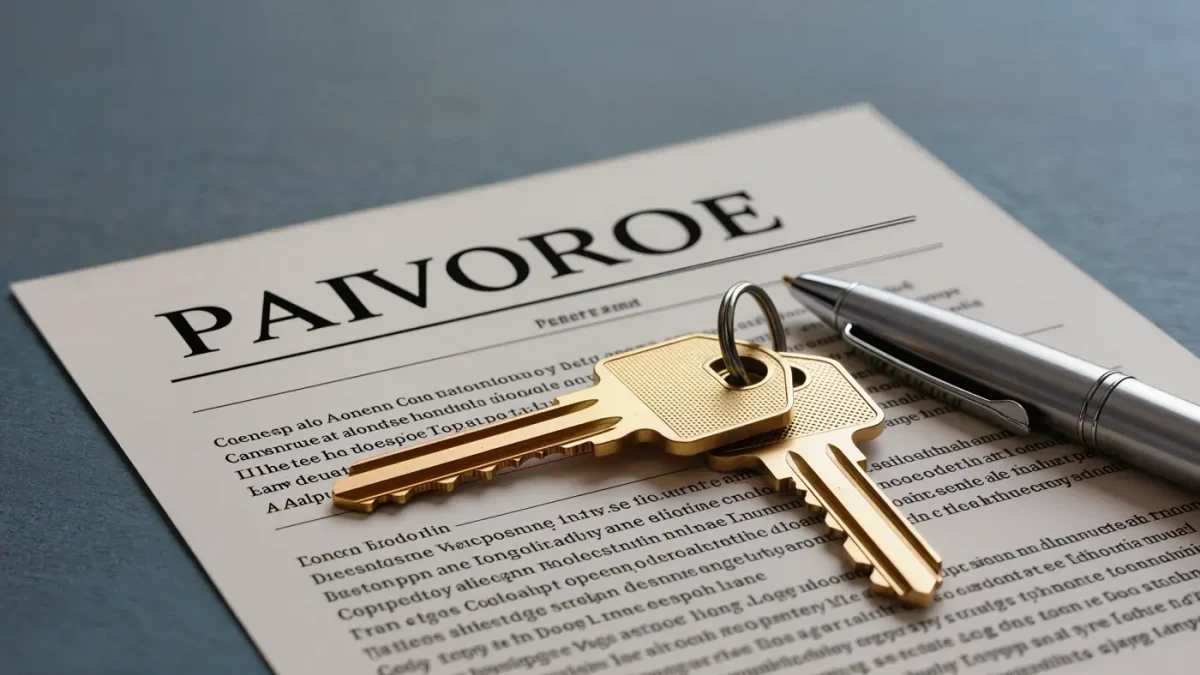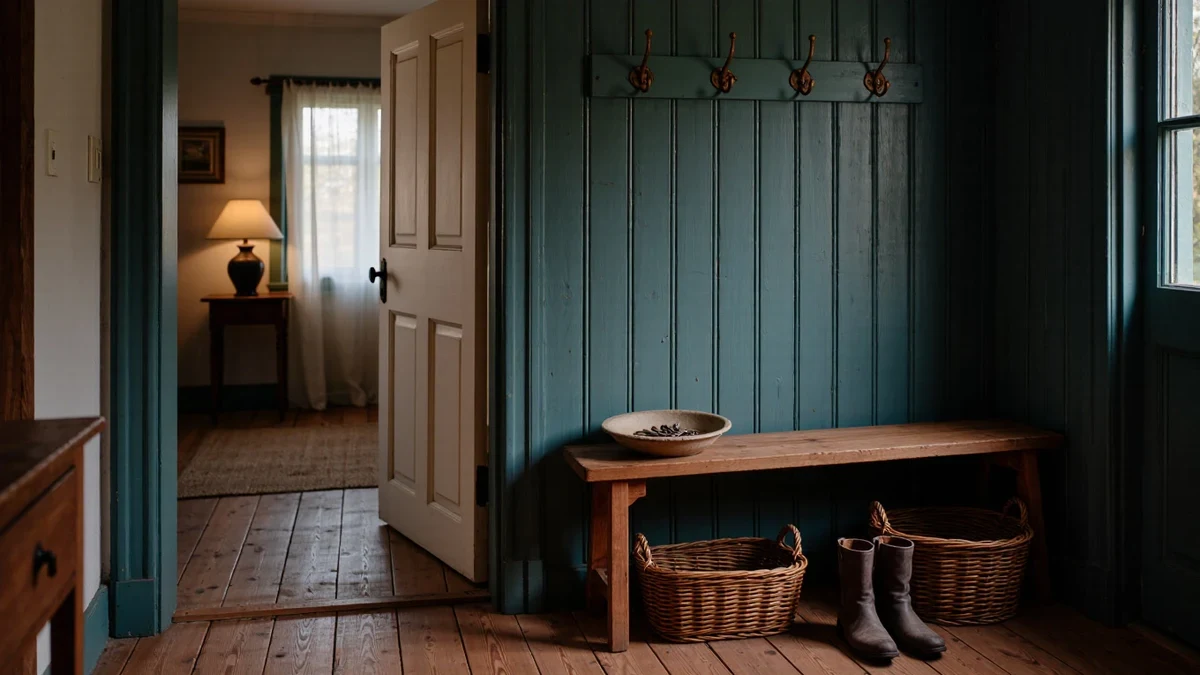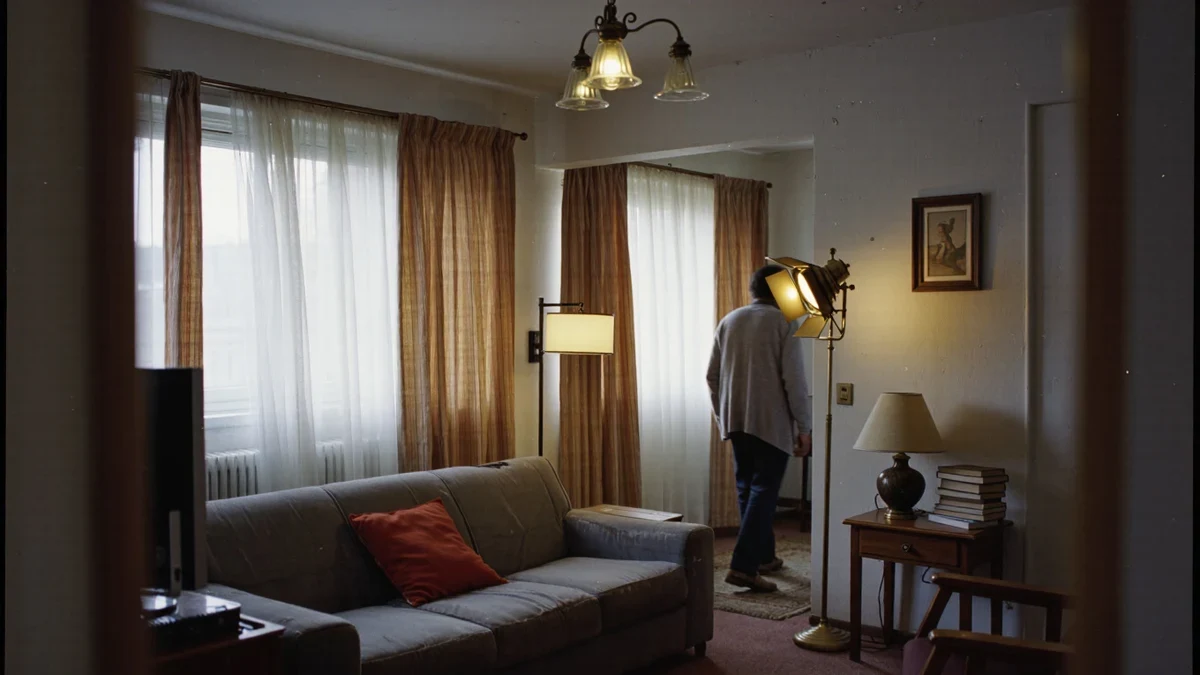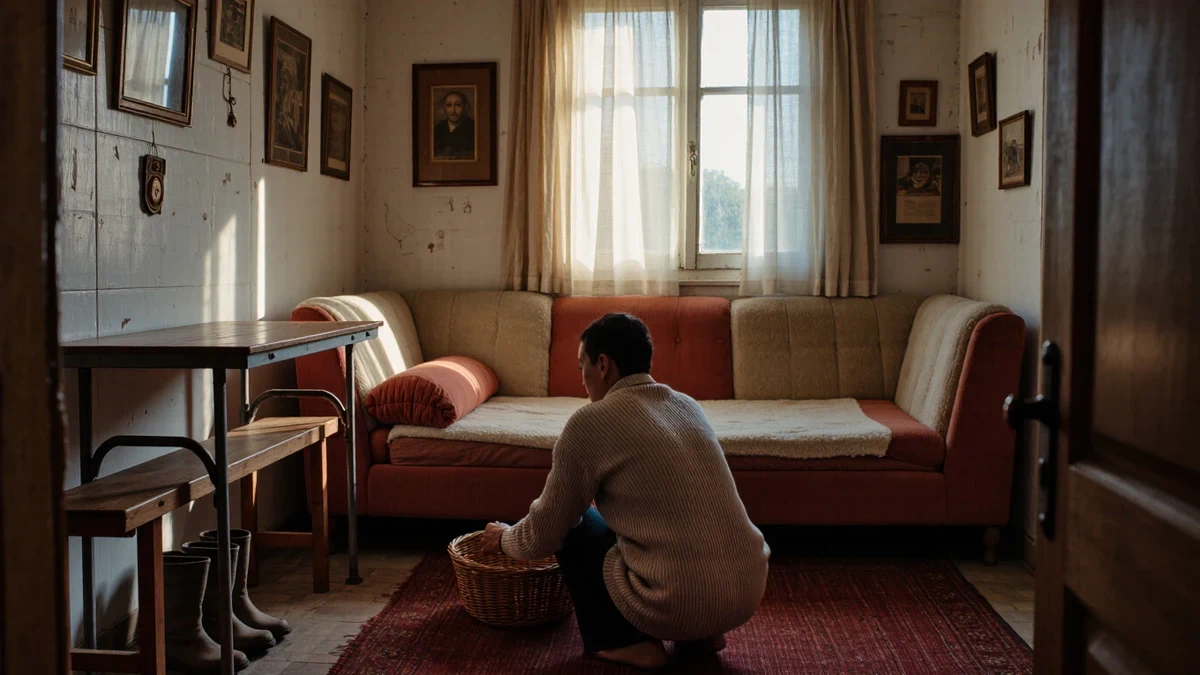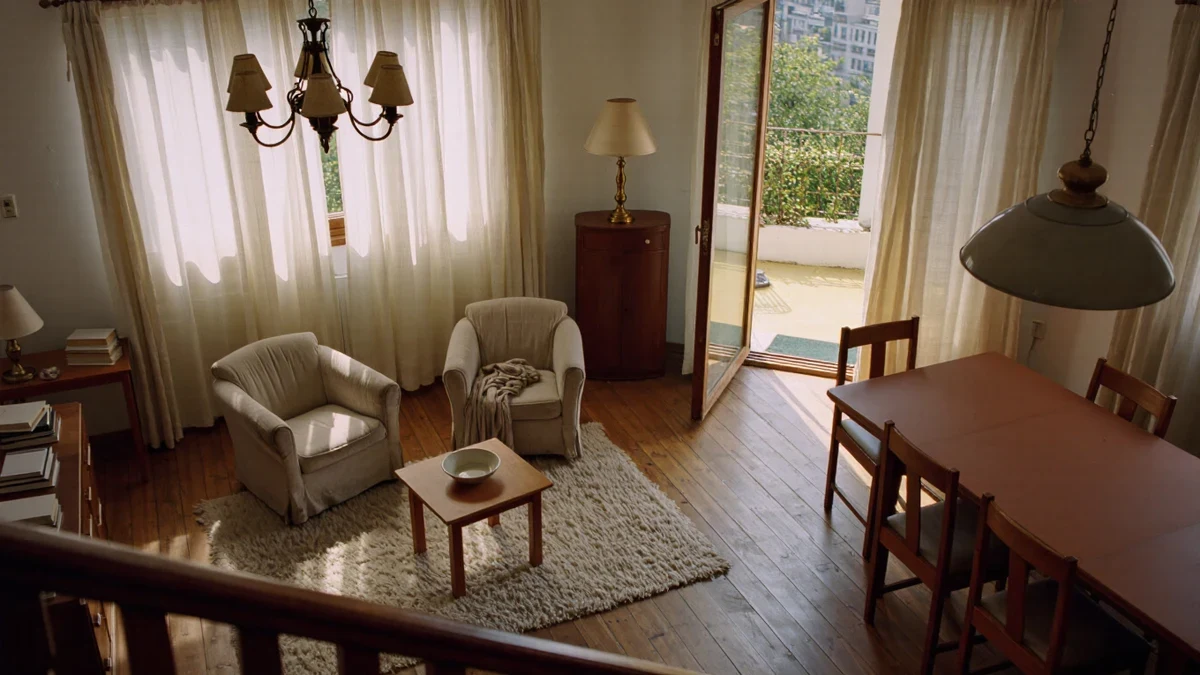
Rental-friendly design is decoration that reverses without a bill: adhesive, peel-and-stick, freestanding, and screwdriver-light. Apartment Therapy's renter-hacks guide puts the principle plainly, that renting does not mean being stuck with what the landlord gave you, and one documented rental kitchen transformation added runner, peel-and-stick tile, hardware, and decor for about $300.
What actually counts as renter-friendly?
The honest test is the move-out inspection. A change qualifies if it removes cleanly, travels with the tenant, or was installed by the right professional with the landlord's knowledge; it fails if it leaves holes, residue, or a deduction. Apartment Therapy's roundup of rental hacks frames the same boundary from the other side, noting that knocking down a wall or gutting the bathroom are major renter no-nos while plenty of modifications and enhancements remain.
The categories worth knowing are adhesive hanging products, peel-and-stick surfaces, tension rods and freestanding storage, removable lighting plugged rather than wired in, and textile layers, rugs, curtains, and upholstery, that belong to the renter outright. Each appears across the documented rental makeovers Apartment Therapy collects under its renter-friendly before-and-afters.
Which adhesive products make decorating reversible?
The category has matured far beyond poster putty. Apartment Therapy's guide to temporary, removable adhesive products, first published in 2014 and still canonical, opens with the renter's case: each year more and more products emerge that are removable and won't jeopardize a security deposit, so a space can be fixed up temporarily without sacrificing style. The products it catalogs include wallpaper lining used under decorative wallpaper to smooth uneven surfaces and strip cleanly at move-out.
Weight is the discipline that keeps adhesives honest. Strips and hooks each carry a rated load printed on the package, and a frame near that limit belongs on a nail with the landlord's blessing instead. The same guide's underlying rule is worth repeating to every renter: follow the removal instructions, since the pull-and-stretch technique that releases most adhesive strips without paint damage is part of the product, not an optional step.
How did one renter transform a kitchen for $300?
Apartment Therapy documented the project in September 2026: a 68-square-foot rental kitchen whose owner, Alli, worked around yellow-toned oak cabinets she could not touch. Her strategy, as the piece reports, was to save on removable renovations and spend on things she could bring to the next home. The shopping list was disciplined, secondhand accessories scoured for deals, a new runner, peel-and-stick green tiles that cost about $30, new cabinet pulls and drawer handles, a lamp, artwork, and linens.
The result, in her words quoted by the outlet, was a room that turned out better than expected, from a few small changes with a big impact. The peel-and-stick backsplash was her favorite element, bringing personality at a price that leaves nothing to argue about at inspection time.
Which upgrades should renters hire professionals for?
Anything with current or pipes. Swapping a hardwired ceiling fixture is electrical work for a licensed electrician, in those words, and a lease will usually say so more bluntly than any design magazine could. The safer lighting route for most rentals is plug-in: floor lamps, picture lights, and swag pendants that draw from an outlet deliver the layered light a rental ceiling usually lacks without touching the wiring.
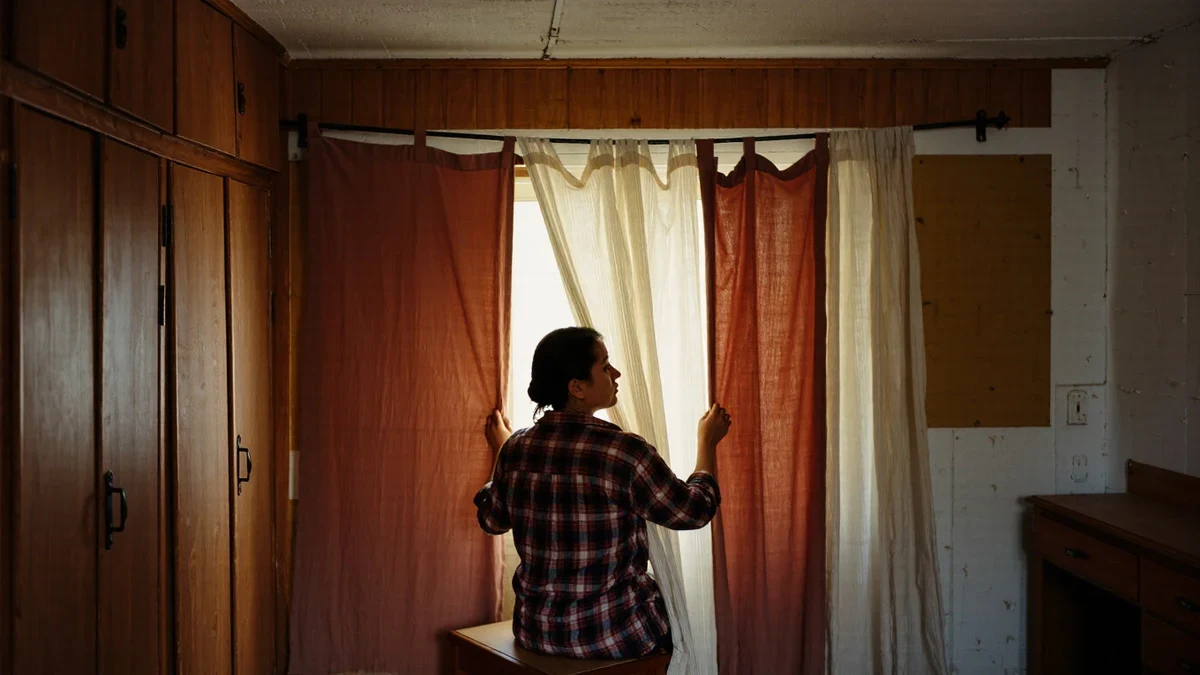
Window treatments deserve the same care. Tension rods inside the frame hold sheers and lighter curtains without a single hole; anything heavier needs properly anchored hardware, which means permission, and a professional install if the wall or the lease is uncertain. What the renter keeps is the curtain itself, which is the part worth spending on.
What should a renter spend on, and what should they save on?
The documented answer from the $300 kitchen: save on the fixes tied to this specific apartment, and spend on the pieces that travel. Rugs, lamps, tableware, hardware pulls that fit standard screw spacing, art, and bedding all move to the next address, while custom-cut adhesive tile and a wallpapered accent wall are, at their price, effectively consumable.
| Choice | Renter status | Documented example |
|---|---|---|
| Peel-and-stick backsplash tile | Removable, budget | $30 of green tile in the 68-square-foot kitchen |
| Cabinet pulls and drawer handles | Reversible with original hardware kept | Part of the same $300 makeover |
| Wallpaper lining under decorative paper | Strippable at move-out | Apartment Therapy adhesive-products guide |
| Lamp swap and layered plug-in lighting | Take-with-you | Renter-hacks guide, light fixture upgrades |
| Hardwired fixture replacement | Licensed electrician only | Hire-out guidance in the same roundup |
Where does the renter's budget go furthest?
Into the layers the landlord will never see on an inventory: light, textile, and vertical surface. The adhesive guide's wallpaper lining trick turns a problematic wall into a feature; the hacks roundup's lamp and mirror upgrades change how a room reads at night; the $300 kitchen proves the compounding effect of a dozen disciplined purchases. None of it requires permission, and all of it can be packed into the same truck as the deposit's return.
Which swaps work in a rental bathroom?
The bathroom is where rentals feel most fixed and where reversible changes pay best. Apartment Therapy’s hacks roundup leads with the mirror: a slide-in shower-bath combo cannot be replaced, but a dated builder mirror can be framed or swapped for a chic mirror that instantly elevates the space, and the piece the roundup pictures is itself a DIY medicine cabinet. Because a mirror hangs from one or two points, the original can be stored flat and reinstalled in an afternoon.
The same logic extends down the list. A tension-pole caddy, a freestanding bath shelf, and a plug-in light source change the room’s evening character without touching tile or plumbing, and showerheads that unscrew by hand, swapped with the landlord’s knowledge and the original kept in a box, are among the highest-impact ten-minute upgrades a lease allows.
What about balconies, entries, and dead corners?
Renter-friendly thinking applies outdoors and in the in-between spaces. The hacks roundup documents a Barcelona apartment whose owners installed a strategic awning to create shade and privacy on a balcony, effectively adding usable living space in poor or hot weather; most climates offer a tensioned or freestanding equivalent that detaches at move-out.
Inside, the roundup’s advice on art in unlikely places turns dead corners into destinations: budget-friendly pieces in the bathroom, the hallway, or above a coat rack cost little and, because they hang on one nail or an adhesive strip, leave with the tenant. The organizing idea across every example is the same: rent the apartment, own the layers.
How do you document everything for move-out?
Treat the deposit like a design deliverable. Photograph every wall and fixture on move-in day, keep the original hardware, mirror screws, and fixture parts in labeled boxes, and photograph the removals on the way out. The adhesive-products guide’s promise, products that are removable and won’t jeopardize a security deposit, holds only when removal follows the instructions, so the package directions go in the same box as the parts.
A short written list of what was changed and when, kept with the lease, resolves most check-out conversations before they become deductions. Five minutes of filing protects the three hundred dollars of personality the apartment gained, and the habit travels to the next rental intact, which is more than can be said for the peel-and-stick tile.