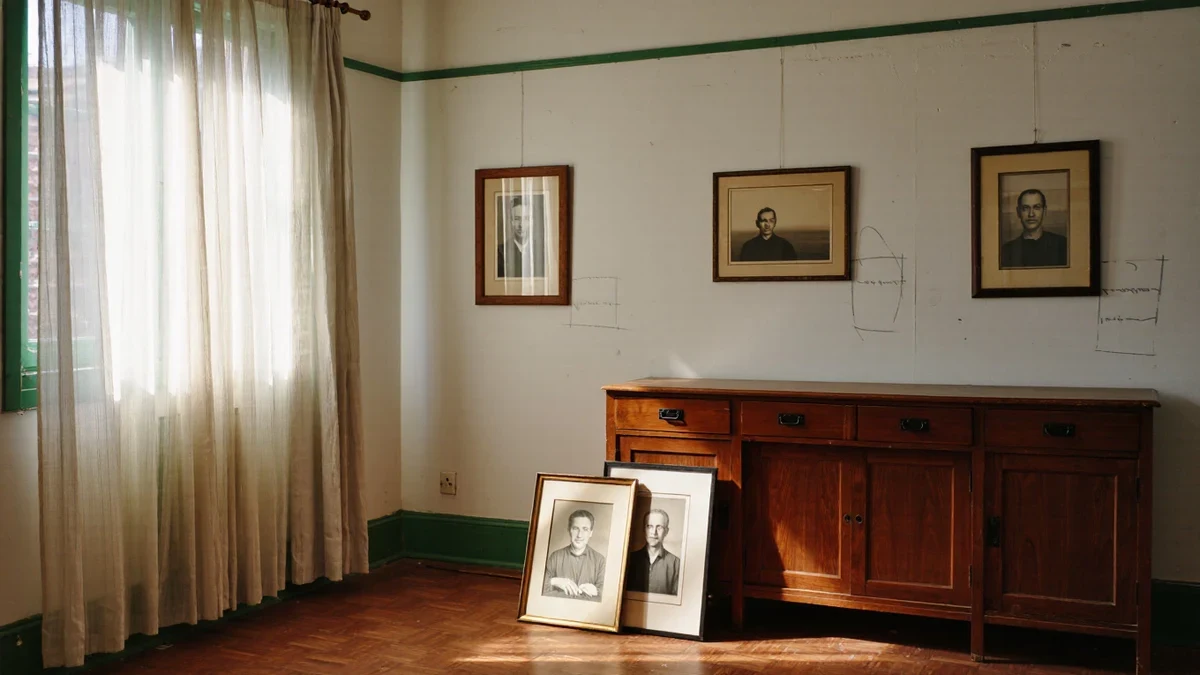
Hang the center of the grouping 57 inches from the floor, and build outward from there. That figure, Apartment Therapy's long-cited hanging guide explains, represents the average human eye-height and is regularly used as a standard in many galleries and museums, which is why a wall arranged to it looks professionally hung.
What is the 57-inch rule, exactly?
It is a center line, not a top edge. On center means the middle of the artwork sits 57 inches above the ground, a standard Apartment Therapy attributes to gallery practice; the piece's author, Maxwell Ryan, frames the instruction simply as hang anything you like, any size you like, but hang it at 57 inches on center. The rule applies to open walls and walls above lower furniture, not above taller features like a fireplace, where the mantel sets the line instead.
The same guide observes that most people hang art too high, and that lowering it changes the room's relationships: art hung at 57 inches sits closer to furniture, rugs, and lighting, so it talks to everything better. For a gallery wall, the measurement applies to the center of the whole arrangement, treated as one large piece rather than a committee of frames.
How high should a gallery wall hang above furniture?
Above a sofa or console, the anchor measurement changes. Framebridge, the framing company whose published how-to walks through the process, gives a working band: if the gallery wall hangs above furniture, plan for the bottom of the lowest frame to sit 7 to 10 inches above the top of the furniture; on an empty wall, aim for the center of the whole layout at about 57 inches above the floor. Those two numbers resolve most arguments before they start.
What is the step-by-step hanging process?
The published sequence from framing company Framebridge, lightly condensed, runs as follows.
- Pick the height band: 7 to 10 inches of clearance above furniture, or a 57-inch center on an open wall.
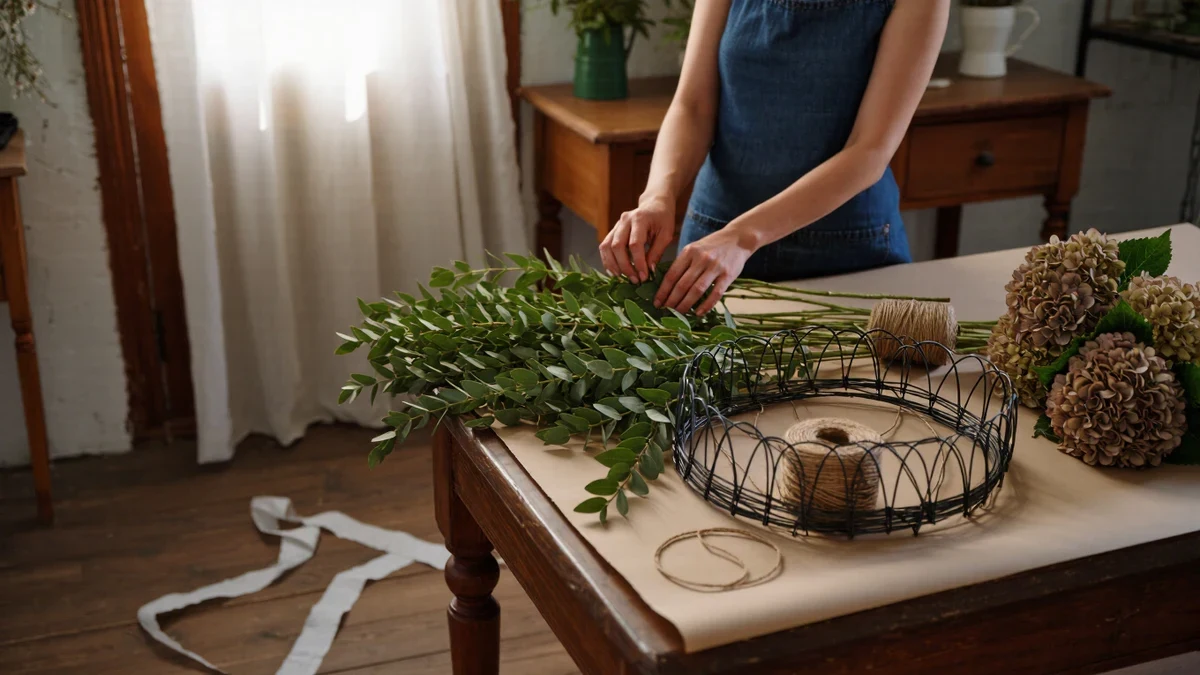
- Test-drive the design by laying the frames out on a large table or the floor, treating the arrangement as one single piece of art, and measure the wall space to fill.
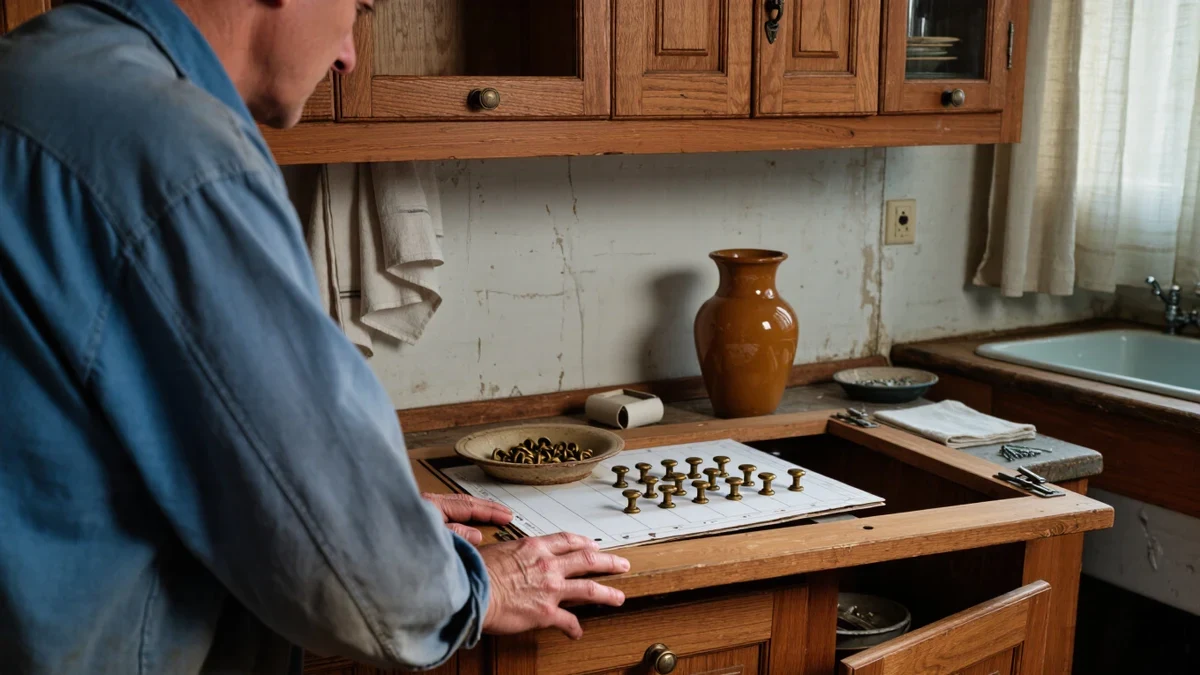
- Hang the lowest piece first, marking the nail or hook placement for its hardware, whether sawtooth, wire, or corner brackets.
- Work outward and upward from that first frame, keeping frames a consistent 2 to 3 inches apart.
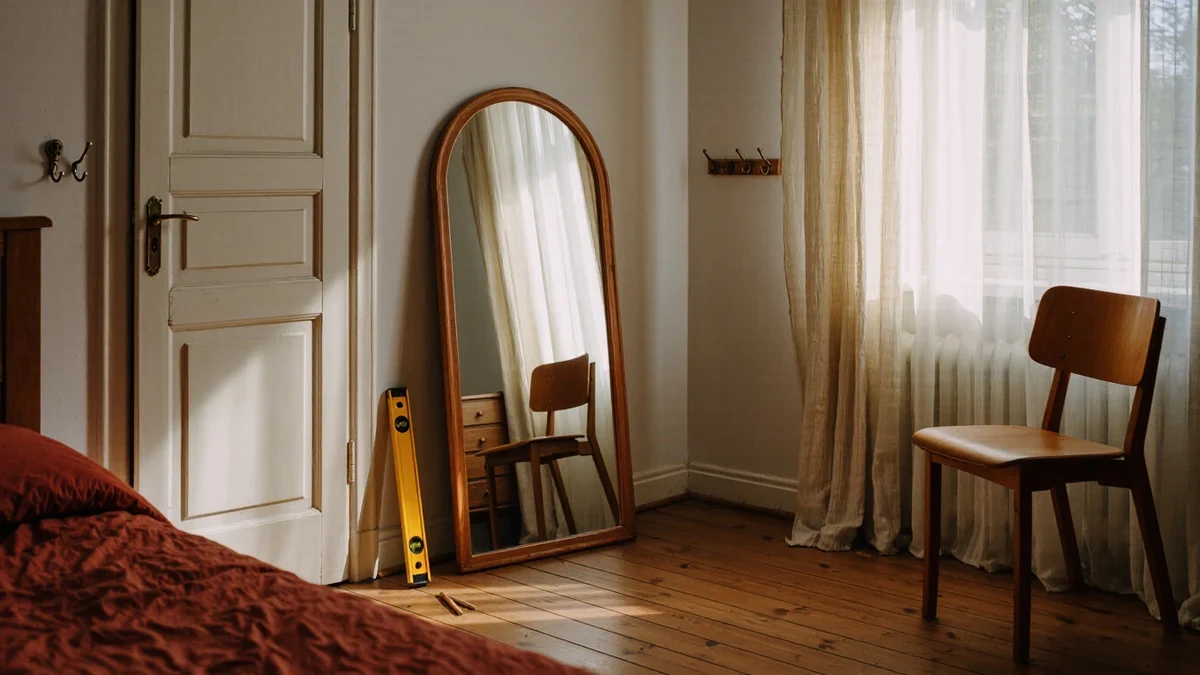
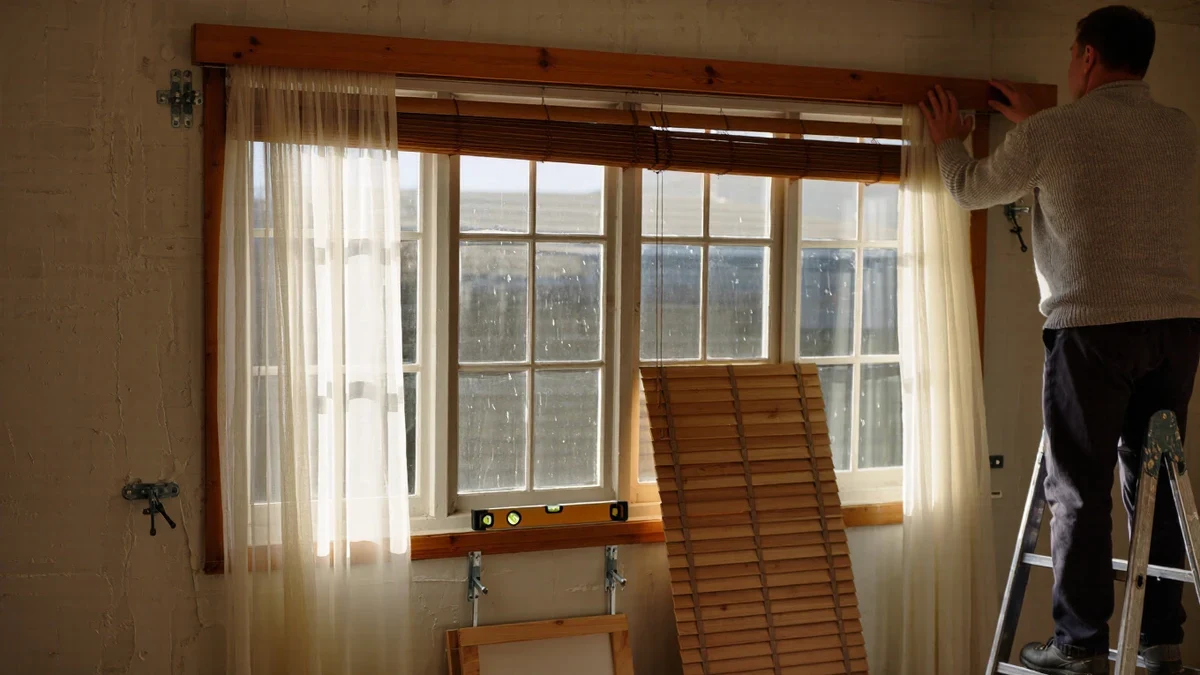
- Step back often, straighten and level each frame at the end, and use small pieces of sticky tack on the backs to hold the final alignment.
How far apart should the frames sit?
Two to three inches, held consistent, is the spacing Framebridge recommends, and consistency is the operative word: even spacing is what reads as intentional rather than accumulated. The same guide offers two placement refinements worth stealing: avoid letting four frame corners meet at one point, spreading the points of interest by separating the biggest or boldest pieces, and balance color across the arrangement rather than letting one heavy frame pull a corner down.
Layout testing protects the wall as much as the design. Arranging on the floor first means the only holes made are the ones the final layout needs, and Framebridge's closing note is forgiving of the rest: don't worry about an extra nail hole or two, since the frames will hopefully cover them.
What hardware matches which frame?
Weight decides. Light frames hang from a single nail or adhesive strip rated for the frame's weight; heavier pieces need the wire pulled taut and measured, sawtooth hangers for medium frames, and wall anchors appropriate to the wall type for anything substantial. Apartment Therapy's guide covers the wire case in detail: the taut wire's drop below the frame top must be subtracted when marking the nail position, which is the arithmetic step most skipped and most regretted.
On plaster walls, the drill rules from any plaster care guide apply in miniature: drill into the plaster rather than forcing a nail, which cracks the surface coat. Nothing in this job is structural, but a stud-mounted anchor for a heavy mirror is the boundary where a handyman earns their fee, and anything uncertain behind the wall, plumbing, wiring, deserves a professional's check before the hammer comes out.
Why do so many gallery walls end up too high?
Because standing height and viewing height are different numbers, and almost nobody measures. Apartment Therapy’s author reports that pictures, lovely as they could be, were often shockingly randomly hung, and that 57 inches on center tends to be a lot lower than most people naturally hang their artwork. The eye settles lower than the hand reaches, especially in rooms with standard ceilings, where art hung at standing eye level crowds the ceiling line and floats free of the furniture below it.
Lowering the arrangement fixes the relationships. The same guide notes that art at 57 inches hangs in closer proximity to furniture, rugs, and lighting, so it talks to everything better, which is the actual goal: a gallery wall is part of the room’s composition, not a test of the ceiling.
What makes a gallery wall feel curated rather than crowded?
Framebridge’s framing advice is unusually calming on this point: the hanging might seem intimidating, but it doesn’t have to be perfect, and small variations signal a natural, relaxed vibe. The curation comes from thinking of the arrangement as one single piece of art, laid out and measured as a whole before anything is hung, rather than as frames accumulated one thrift-store trip at a time.
Their placement rules carry the rest: spread the points of interest by separating the biggest or boldest pieces, avoid letting four frame corners meet at one spot, and balance color across the layout as well as size. A wall that follows those four habits can absorb postcards, family photos, and one good painting in the same frame family and still read as intentional.
How do you keep everything straight afterward?
With the humblest tool in the job. Framebridge’s final step is to straighten and level each frame once everything is hung, then use a few pieces of sticky tack on the back of the frames to guarantee they stay put, an addition that costs pennies and ends the monthly pilgrimage around the room with a level. Door drafts and passing hips undo more gallery walls than time does.
Rechecking after the first week is worth the five minutes: wire-hung frames settle onto the wire’s lowest point, sawtooth hangers hold their line, and adhesive strips reach full strength after their stated curing time. From then on, the maintenance of a gallery wall is dusting, and the occasional swap of one frame for something new, which the 57-inch center will absorb without complaint.