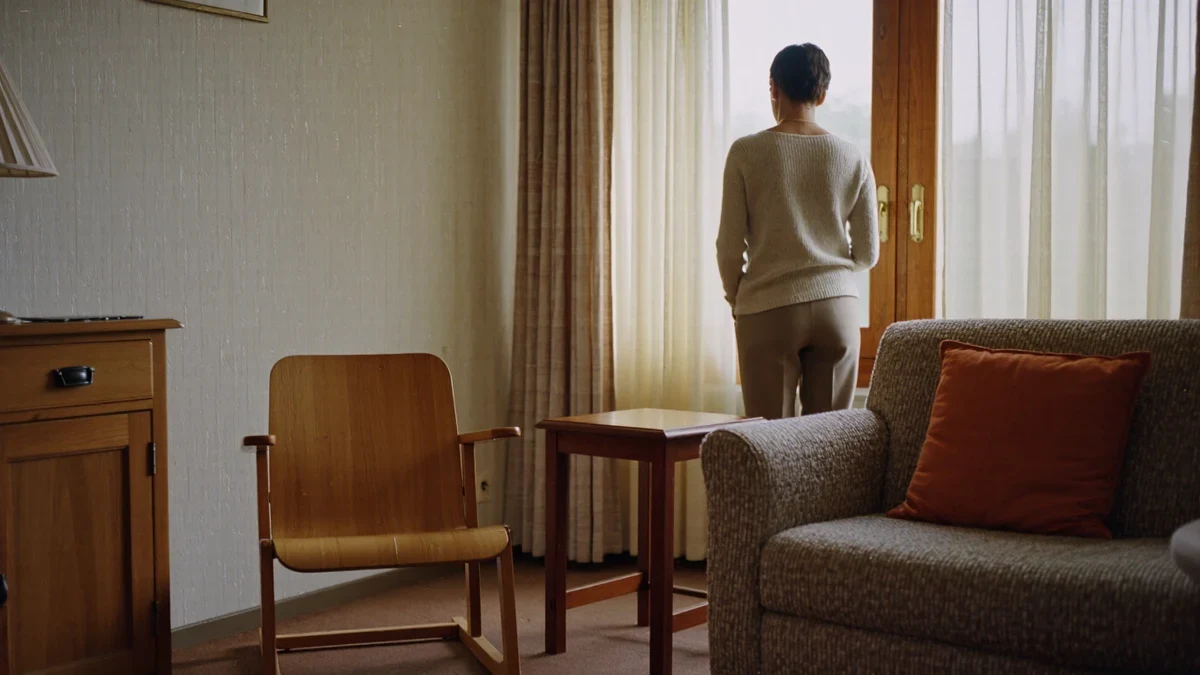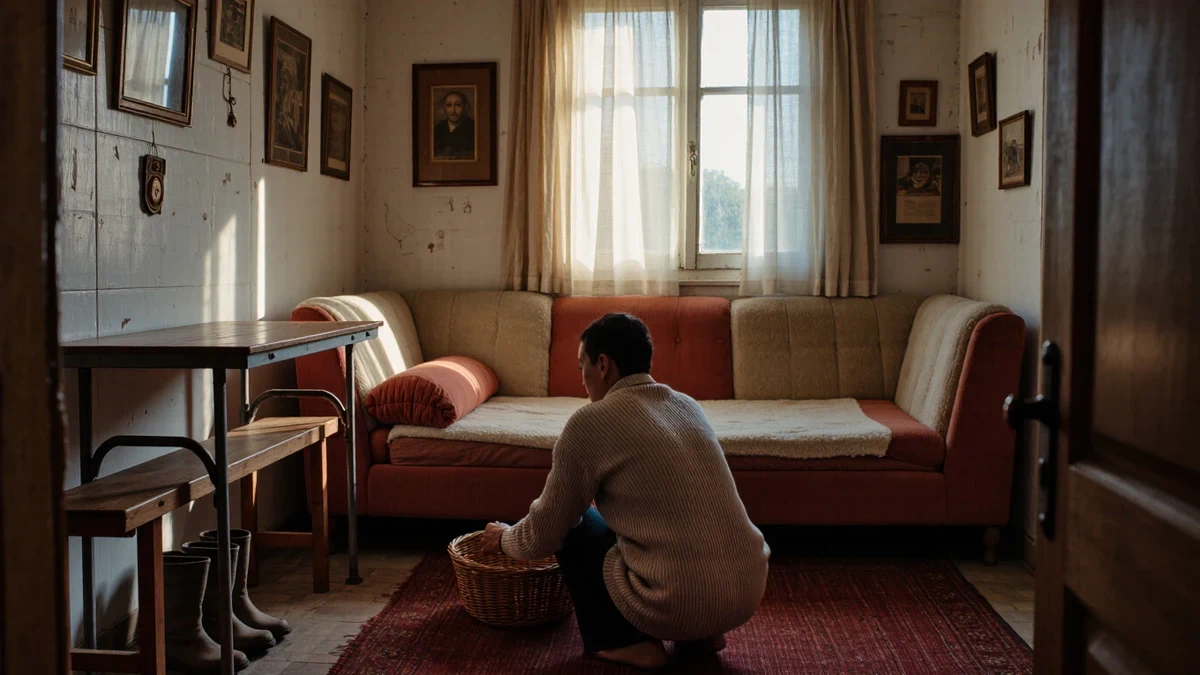
Small-space living works when every piece earns its floor area: a sofa with storage under the cushions, a bench that hides clutter, a table that seats four in 290 square feet. Real homes documented by Apartment Therapy in September 2025 show multifunctional furniture working at modest prices, in apartments as compact as 290 square feet.
Why does multifunctional furniture matter most in a small room?
Because floor area is the scarce material. Furniture retailer Mareblu Furniture Direct, in a guide published in April 2025, argues that dual-purpose pieces are the core of a small living room: a sofa bed "serve[s] dual purposes, acting as a comfortable seating area by day and a cozy bed by night," while a storage ottoman works "both as extra seating for guests and as a stylish storage solution."
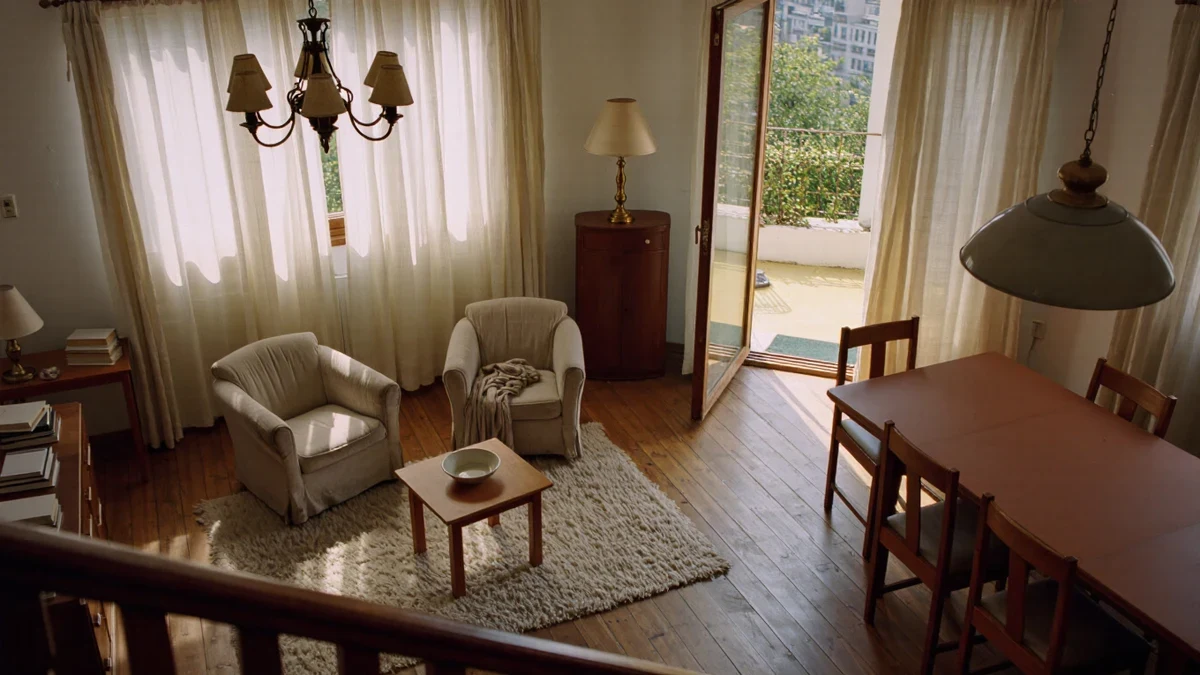
The documented homes bear this out. In a 378-square-foot apartment, Cleveland Braswell III chose a sofa with hidden storage beneath the cushions for sweaters and blankets, telling Apartment Therapy it was "perfect for sweaters and extra blankets." In a 290-square-foot studio, Elizabeth Faulkner picked an extendable dining table that "can comfortably seat four people" without hogging the room.
Which documented pieces work hardest in compact homes?
Five solutions surfaced by Apartment Therapy's editors, each placed in a real home:
| Piece | Double duty | Documented use |
|---|---|---|
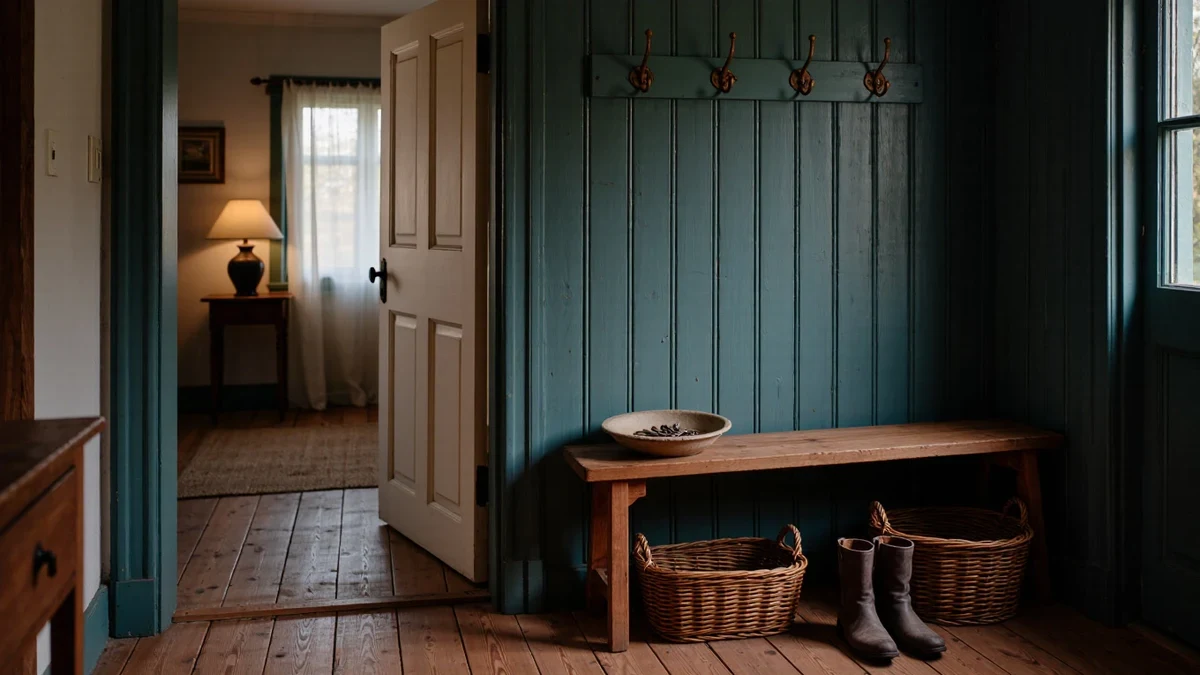
| SMÅSTAD bench (IKEA) | Seating plus closed storage | Renter Katy Ma uses it as seating that swallows entry clutter |
| ENHET shelving (IKEA) | Open storage and display | Lakesha Charles fitted it into a 101-year-old New York apartment kitchen |
| JÄTTEBO sofa (IKEA) | Seating plus hidden storage | Braswell's 378-sq-ft apartment; storage under the cushions |
| EKEDALEN table (IKEA) | Extendable dining surface | Faulkner's 290-sq-ft studio; seats four when extended |
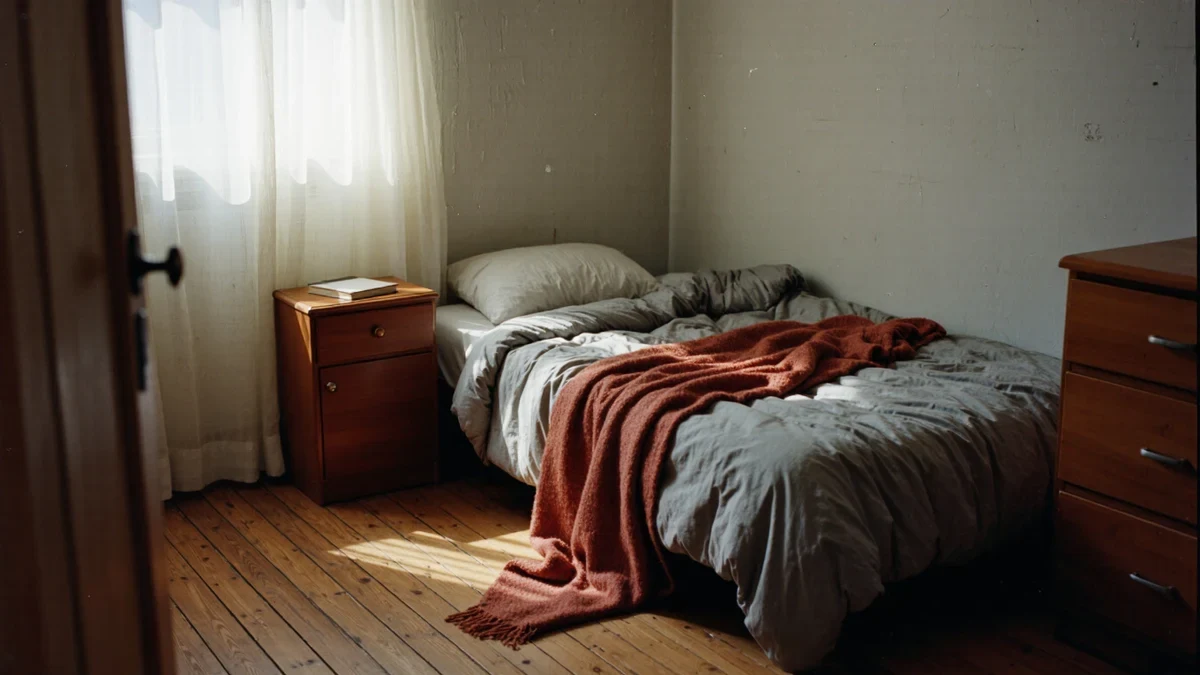
| TOLKNING ottoman (IKEA) | Nightstand plus storage | Toronto designer Marnie Salmon uses two in her studio |
How do you make a small room feel bigger than its size?
Light and sightlines do the visual work. Mareblu's guide recommends "furniture with legs," which "creates an airy feel by allowing light to flow underneath, making the room feel larger and more open." Keeping part of the floor visible, choosing one anchored seating group rather than several small floats, and letting a single rug define the whole zone are the moves that read as spaciousness rather than crowding.
Vertical storage matters just as much. Tall, shallow shelving pulls the eye up, while cabinets that stop at half-height chop the room in two. In the documented studios, storage was pushed to the perimeter so the center of the floor could stay clear, per Mareblu's published guide.
What should a small-space plan get right first?
Measure before falling in love. The sequence the documented homes suggest is unglamorous and reliable:
- Record the room's true dimensions and every door swing, radiator, and window.
- Choose the two or three pieces that must multitask — usually seating, storage, and a surface for eating or working.
- Prioritize leggy, raised frames and light upholstery to keep sightlines open.
- Let one flexible piece — an extendable table, a stackable bench — absorb the peak-use moments.
- Edit decor down to a few objects with weight rather than many small ones.
The discipline is the point: in a small home, the plan is the design, and the furniture list is the plan.
What role does zoning play in a one-room home?
Zoning is how a studio stops feeling like a bed in a kitchen. The documented homes each separated sleep, eat, and relax functions without building walls: a rug and a facing sofa define the living zone, a table by the window claims the dining zone, and a wardrobe or open shelving unit placed perpendicular to the wall becomes a divider that stores things on both sides. Lakesha Charles's ENHET installation shows the kitchen version of the same move — shallow, open shelving that holds daily objects at arm's reach while marking the kitchen's edge in a century-old apartment where no cabinet could be built in.
Light finishes the trick. Keeping the largest surfaces — floor, walls, window treatments — in one light, quiet range lets the furniture carry the contrast, so the eye reads structure rather than clutter. A mirror placed across from the window multiplies the daylight a small room actually has, a step that costs little and changes everything at night, when a couple of warm lamps standing in for the sun keep the zones legible.
Where do small-space plans usually go wrong?
Three failures repeat. Buying for the life imagined rather than the life lived — a formal dining set in a home that eats on the sofa — spends the room's scarcest currency on furniture that never earns it. Under-storing, which turns every horizontal surface into a shelf and every shelf into visual noise; the documented homes all push storage into the furniture itself, under seat cushions and inside ottomans, rather than onto the walls around it. And scaling down uniformly, filling the room with many small pieces instead of one generous anchor plus quiet supporting cast — a single substantial sofa reads as calm, while five petite chairs read as a waiting room.
The renters and designers in these homes solved for their own lives: a bench at the door, a table that grows for guests, an ottoman that stands in for a nightstand. That is the real strategy — every piece answering two questions at once, and nothing in the room that answers none.